

Priority Toyota Chesapeake

Blog / Car Maintenance

What Happens if You Don't Change Your Oil?
Toyota Oil Change
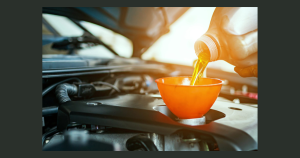
Oil is the lifeblood of your vehicle, constantly circulating through a well-maintained engine to pull away excess heat and provide lubrication for the engine's moving parts. For things to continue in this fashion, it's critical to change the oil on a regular schedule that is appropriate to the type of service the vehicle performs. The harder you work your vehicle, the more often the oil should be changed. Operating in particularly dirty, dusty, or wet conditions; in regular stop and go traffic; or while pulling a trailer is hard work and necessitate more frequent oil changes. Failure to change the oil on schedule will cause the following performance issues. Deterioration Oil must be in good condition in order to effectively pull excess heat from the engine and lubricate moving parts. Oil contains detergents that cling to and sweep away particulate matter that would otherwise degrade the engine's performance. Over time, temperature shifts inside the engine and absorption of foreign matter causes these additives to break down. This makes the oil less effective and leads to wear and tear on sensitive surfaces, such as rings and pistons. Your vehicle's oil filter will remove these contaminants, but over time, it can become saturated, and thus less effective. If an old filter becomes too clogged to function, unfiltered oil may bypass it via a small valve, sending the dirty oil directly into the engine. Inefficiency One of the most important functions of clean oil in your car's engine is to provide lubrication to moving internal parts, such as the camshaft and pistons. Over time, as oil breaks down and changes chemically, its lubricating capacity is diminished. As your oil circulates, it picks up microscopic debris, such as iron, chromium, and aluminum from the various surfaces of the motor. In fresh oil, these particulates don't exceed a few parts per million. Oil that has been used beyond its recommended life can contain more than 10 times the recommended debris limit. These contaminants act like sandpaper on the microscopic level, denuding the inner surfaces of the engine and diminished performance or permanent damage. Overheating Heat is the enemy of any mechanical system, and the oil in your vehicle is on the front lines of this battle. When it's within its service life, oil circulates through the engine, drawing away damaging heat before making its way through an oil cooler and filter. Over time, debris in dirty oil can affect the efficiency with which the oil can move this heat away from vital components. When the oil becomes less efficient at cooling the engine, the heat has nowhere to go, and the operating temperature of the system increases. This causes thermal expansion inside the engine. Since the components are made of different materials, they don't all expand at the same rate, so there can be an increasingly poor fit between the various moving pieces. This leads to dramatically increased wear when compared to an engine that has had its oil changed regularly. Regularly changing your engine's oil is one of the simplest and least expensive pieces of vehicle maintenance. Avoid this step, or put it off for too long, and your engine's performance will degrade and ultimately fail—an expensive and possibly dangerous scenario. Forget to change your oil, and you will end up looking at an expensive repair bill faster than you may expect. Image via Flickr by Robert Couse-Baker: https://www.flickr.com/photos/29233640@N07/18592103079/sizes/l
Posted in:

Related Posts

Vehicle fluids | Priority Toyota Chesapeake in Chesapeake, VA

3 Service Tips for Maintaining Your Toyota

Toyota vehicles are renowned for their longevity and reliability. Nonetheless, all cars and trucks need regular maintenance to stay in great condition. To ensure your Toyota runs smoothly for as long as possible, you must take steps to maintain it regularly. Today, we're taking a closer look at several Toyota service tips and when you should visit your local Toyota dealer for maintenance. 1. Check Your Tire Pressure Regularly A simple, effective way of keeping your Toyota in good working order is checking your tire pressure regularly. When all four of your tires are inflated to the proper PSI, it is more likely that your wheels are aligned properly. Other benefits include boosting fuel efficiency and increasing the likelihood of even tire wear. more 2. Check Your Fluid Levels Regularly Another great thing you can do to keep your Toyota in great shape is to check your fluid levels regularly. People often check their motor oil level monthly and keep an eye out for signs of dirty oil. However, there are other fluid levels you should check, like the: Brake fluid Transmission fluid Power steering fluid Air conditioning coolant Radiator coolant Anti-freeze fluid Washer fluid 3. Check Your Battery Regularly ​Check your battery when you check your fluid levels. ​Use a battery cleaning brush to clean off the contacts if they're corroded ​or ​there is any build-up. ​Have your battery replaced if it is leaking fluid or cracked. How Often You Should Visit Your Local Toyota Dealer for a Toyota Service You should ​bring your Toyota to your local dealership for service every three months or 3,000 miles if ​you used conventional oil the last time you got an oil change. ​You should get an oil change every six to 12 months or 5,000 to 10,000 miles if you used synthetic oil during your last oil change. You also need to get your tires rotated regularly. Additionally, you should have a certified Toyota mechanic ensure your tires are balanced several times per year. Like keeping your tires properly inflated, keeping your tires balanced helps to keep your wheels aligned. Regularly check your tire pressure and oil level to help keep your Toyota running reliably for longer. If there's a sign of an air or oil leak, a service appointment may be necessary. Regular oil changes and tire rotations are also crucial. If it's been more than a few months since your Toyota has been serviced, book an appointment at Priority Toyota Chesapeake in Chesapeake, VA today.

Toyota symbol | Priority Toyota Chesapeake in Chesapeake, VA

Getting Seasonal Maintenance for Your Toyota

Seasonal maintenance for your Toyota will help it perform its best, no matter the weather. A quick trip to the Toyota dealer a few times a year can make sure your car is always ready for the road. Spring Maintenance After a harsh winter, you need to wash your Toyota thoroughly, including the underside. Salt build-up can lead to rust and damage to the frame. Clean the interior as well, vacuuming the seats and carpets, washing the windows, and disinfecting surfaces that are touched frequently. more Check the air pressure in your tires and top them up if needed. Then, check under the hood. Inspect your hoses and belts for wear, and check engine oil, coolant, brake fluid, and windshield washer fluid. Spring is also a great time to check and replace the engine air filter and cabin air filter, if necessary. Check the condition of your wiper blades to see if they should be replaced, too. Summer Maintenance If you're planning to travel during the summer, you should change your engine oil and filter to keep your engine lubricated. It's also a good time to head to the dealership to have your tire alignment checked and your brakes inspected. Check your fluids again, including power steering and transmission fluid. As temperatures rise, check your tire pressure more frequently to make sure they are properly inflated. Fall Maintenance Perform a visual check of your battery. Make sure the cable and terminals are clean and free from corrosion. For extra peace of mind, have your battery tested to be sure it still carries a strong charge. Test all of your lights to make sure they work properly and replace any dim or burned-out bulbs. Test the heater and defroster to ensure they will keep you warm in freezing temperatures. Then, have your steering, suspension, and tires inspected at the dealership to be sure they're up for the challenge of winter weather. Take the time to have your tires rotated and balanced. Winter Maintenance As soon as temperatures consistently dip below 45 degrees, it's time to switch to winter tires. These tires provide better traction on snow and ice. Fill up your antifreeze or coolant to avoid engine freezing, and take another look at your wiper blades to see if they are ready for the upcoming weather. Freezing temperatures can also cause low tire pressure, so check them every week to help maintain traction on slippery surfaces. Prepare an emergency kit to keep in your vehicle in case of trouble. Include gloves, an ice scraper, flares, a blanket, a first aid kit, jumper cables, a flashlight with fresh batteries, a cell phone charger, bottled water, and non-perishable snacks. Don't neglect your Toyota's maintenance needs. Visit Priority Toyota of Chesapeake in Chesapeake, VA, and let us help you keep your car running well in every season.

Oil change | Priority Toyota Chesapeake in Chesapeake, VA

How Long Has It Been Since Your Toyota's Last Oil Change?

Motor oil is one of the most important parts of your car. Without fresh, fully functioning oil, the moving parts inside your engine will rapidly wear down and generate harmful friction and heat. It's essential to have motor oil refreshed at least twice a year; more frequently if you experience the severe driving conditions outlined below. For the sake of your car's health, it's best to schedule routine oil changes at Priority Toyota Chesapeake and never miss an appointment. How Long Has It Been Since Your Toyota's Last Oil Change? For most drivers, it's unwise to let more than six months pass between changing your oil. These days, modern synthetic motor oil can last in great shape for 7,500 to 10,000 miles. For most car owners, this is usually a little more than six months of driving. more If you rarely use your car, you might be safe having your motor oil refreshed once per year. No matter how infrequently you drive, you still need to have the oil refreshed to keep it fresh. Adhere to the Interval in Your Powertrain Warranty If you have a valid powertrain warranty, there will be a recommended schedule for changing the oil in the warranty's conditions. It's best to stick to this required schedule in order to keep the warranty valid. And if you use your car under more severe driving conditions than most drivers, you may decide to have it changed even more frequently than the warranty stipulates. Severe Conditions Necessitate More Frequent Changes There are various driving conditions and habits that put a car's engine under increased strain, wear, and tear. One such condition is driving along particularly dusty, salty, sandy, or muddy roads. Another is driving long distances while towing a trailer or carrying especially heavy loads. Urban driving habits can also take a toll on a car's engine and motor oil. If you commute regularly in heavy stop-and-go traffic, your engine oil may be wearing down faster. Also, regular short trips of under five miles can be tough on engine oil, as these short journeys don't give the engine and oil enough time to properly warm up. During cold weather, any journey under ten miles might be considered a short trip that's tougher on the engine. Set Up a Routine Schedule at Priority Toyota Chesapeake In the hectic hustle and bustle of modern life, it can be easy to forget when it's time to have your oil refreshed. The surest way to never miss another oil checkup is to set up a regular schedule at your local dealership. Your dealer can then remind you whenever your next scheduled visit is coming up. Have your motor oil refreshed today at Priority Toyota of Chesapeake. We're the region's number-one Toyota dealership, providing an extensive range of excellent vehicles and top-notch maintenance services.