- Rear-Facing or Convertible
- Measure Your Car
- Look for Key Features
- Avoid Secondhand Seats



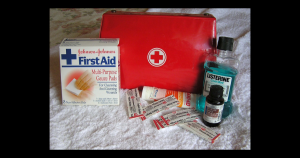
Should your vehicle break down, you don't want to be left in a dire situation. With a well-stocked emergency supply, you can rest assured that you'll be able to navigate the situation without added risk. Read on for tips on what items to keep handy in your car, just in case you're ever in need during an emergency situation. Take Food and Water If you get stuck in a remote area because your car broke down, you'll need food and hydration, so you should keep a case of six to eight water bottles in your car's trunk. If you're going to be traveling with more people during bad weather or to an isolated location, bring one or two more cases. For food, you can keep trail mix, protein bars, and other non-perishable items that will give you a burst of energy if you find yourself stuck someplace. Travel with Something to Keep You Warm A wool blanket is an ideal choice because it can warm you up even if it gets wet. It's also a good idea to store several hand-warming packets, the kind sold at sporting goods stores. To help you stay dry, buy a poncho that's folded in a small plastic bag. It won't take up space but will be invaluable if your car dies and you need to walk to a gas station in the rain. You may also want to keep an extra sweatshirt in your vehicle. Getting stranded in cold or damp weather puts you in a vulnerable situation if you have no way to stay warm. Keep Light Sources on Hand Because you may get stranded in the dark or simply need better lighting to check under the hood, you need to carry a flashlight and extra batteries for it in your car. It's also a good idea to have other light sources such as matches, candles, and glow sticks. Remember to Take a First Aid Kit Any good emergency readiness kit for your car should include the basic components of a first aid kit. As for medical supplies, carry bandages of varying sizes, alcohol swabs, gauze pads, burn cream, nitrile gloves, scissors, an instant ice pack, and medical tape. You can augment these basics with supplies such as antibiotic cream, insect sting wipes, toilettes, and tweezers. Pack Emergency Equipment for Your Car So far, this list has focused primarily on taking care of you. Don't forget to travel with items that help you get your car up and running again. A spare tire, jumper cables, a fire extinguisher, and foam tire sealant are a few essential emergency items for your car. To help you address your car's problem on the roadside, you should also think about packing a tire jack, tire iron, duct tape, a Swiss Army Knife, and a small tool kit. If you can get your car moving, you may not need some of the survival items included on this list. Wherever you're going, it's always a smart idea to take along your cellphone and charger. They're a critical component of being prepared for roadside emergencies. Image via pixabay.com | Licensed under Pixabay License

Driving to your destination for family trips and vacations is cost-effective and simpler than flying. However, a long time in the car can feel like torture for parents and children alike. Here are five ways to keep your kids occupied and make everyone happy during a lengthy car ride. Family Car Games Many of us have fond memories of playing games in the car with family. For decades, games such as I Spy and 20 Questions have helped drivers stay alert and have kept children entertained. Some good car games to try on your next trip include license plate lingo, the alphabet game, and the map game. License plate lingo is easy and can lead to absolute hilarity. Taking turns, each player picks a license plate from another vehicle on the road and makes up what the letters stand for. For example, a license plate beginning in "GHY" might mean "Gremlins Hate Yarn." You get the idea. Check the internet for more car game ideas and explanations. Audiobooks Sometimes listening to music can be a bore. Instead of playing the same songs over and over, save everyone's sanity with an audiobook. Find a book that everyone will like and play it over the speakers for the drive. Many audiobooks are between 8 and 13 hours long, so you might even get to finish the story on the way home. If your family can't agree on a book to enjoy, they can listen to their own selections through their headphones with their devices. Check your local library's website for audiobook downloading options. The Chesapeake Public Library uses programs like Overdrive and Hoopla to allow members to borrow digital audiobooks. Travel Binder Create a travel binder for each kid, including specific things they love. Some kids might enjoy a few children's magazines like Highlights or High Five. You can also fill the binder with coloring pages featuring their favorite movie characters or superheroes. Other great add-ins include stickers, word searches, math games, and Mad Libs. Put a zipper pouch pencil holder in the binder with pencils, crayons, pens, or whatever each specific child likes. The binder contents will vary with age, but you might even want to get your kids' input on what they would like. Mess-Free Coloring and Drawing The Magic Pad and other mess-free coloring options with special paper and markers are ideal for little ones during long trips. They can color and create without making a mess on the car or themselves. Water markers with special drawing pads are also a great idea. Opt for a Backseat Entertainment System Most family-sized vehicles offer a backseat entertainment system. The 2020 Toyota Sienna offers a dual-view rear entertainment system with a 16.4-inch color screen that folds down from the ceiling. It includes a Blu-ray player, and an SD and HDMI hook-up. With the available wireless hotspot enabled, the kids can stream their favorite movies and TV shows the whole ride. Toyota's third-row SUVs also offer this type of entertainment system. Come by Priority Toyota Chesapeake to browse our selection of new vehicles. Find the perfect family vehicle with all of the convenient features you want and space you need to make every trip fun and easy. Image via pixabay.com | Licensed under Pixabay License
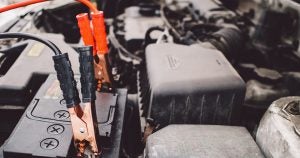
Having a dead battery can seem like the worst thing of the day, but there's no need to feel discouraged. Follow these simple steps, and you'll be back on the road in no time. Gather your supplies: - a set of jumper cables - another vehicle, a charged battery or portable power unit - safety equipment, such as gloves and safety glasses 1) Identify the positive terminal on both batteries, marked with red. 2) In the vehicle with the dead battery, identify an unpainted metal surface that is not next to the battery. 3) Connect a positive (red) jumper cable clamp to the positive (red) post of the dead battery. 4) Connect the other positive (red) jumper cable clamp to the good battery’s positive (red) post. WARNING: Do NOT allow the positive and negative jumper cable clamps to touch once connected to a battery. This will generate sparks. 5) Connect the black (negative) clamp on that same end of the jumper cable to the negative (black) post of the good battery. 6) IMPORTANT: Connect the other negative (black) clamp to the unpainted metal surface under the hood of the car with the dead battery. DO NOT connect to the negative post of the dead battery – this could cause an explosion. 7) Start the good vehicle, allow it to run for about 5 minutes with the jumper cables connected. Attempt to start the disabled vehicle; if the engine won’t turn over, try repositioning the negative (black) jumper cable connected to the unpainted metal surface. Ensure the surface is clean so as to allow for a good connection. If the engine doesn’t turn over after a couple more minutes, try to race the good vehicle’s engine a little so the alternator delivers more amperage. 8) Once the dead vehicle has started, remove the jumper cables in the reverse order they were connected. Allow the vehicle to run for at least 10 minutes before turning off, to recharge the battery. Image via pixabay.com