Priority Toyota Chesapeake

Blog / Vehicle Safety Tips

4 Things You Can Do To Reduce Your Car's Emissions

Priority Toyota Chesapeake Car Repair and Service
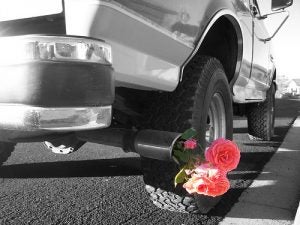
For the eco-friendly motorist, lowering emissions is a definite concern. While many of these people decide to buy a hybrid or an electric vehicle, others don't have the budget or means to go that route. However, there are several things you can still do to keep your vehicle's emissions at or below an acceptable level. By following a few simple tips, you can feel good knowing that you're saving the environment.

1. Drive Steady

If you weren't aware, driving like a maniac isn't just unsafe, but also detrimental in terms of excessive exhaust. Accelerating rapidly or driving at high speeds actually burns through gas more quickly, spewing extra emissions into the air. To combat this problem, try slower acceleration, obey speed limits, and drive smoother in general. If you find yourself driving erratically when you're stressed or angry, pull over until you've got your emotions under control. Not only is it safer, but your wallet and the air will thank you.

2. Do Proper Maintenance

Whether its ignorance, forgetfulness, or something else, many drivers often overlook getting routine maintenance done on a regular basis. However, it's probably one of the most important tasks you can do to reduce your carbon footprint. If oil is left in the engine too long, it builds up sludge, which causes the engine to ignite improperly, as well as burn oil. Once your vehicle starts to burn oil, your car's emissions go up astronomically. In addition, air filters and fuel filters need a change about every 5,000 to 10,000 miles to keep your car running smoothly and preventing unnecessary and excessive exhaust.

3. Get an Emissions Test

Numerous states and cities require older vehicles to undergo an emissions test once every year or two. However, newer vehicles, thanks to EPA guidelines, aren't held to the same standard. Nevertheless, if you suspect your car is giving off tons of smoke, it's in your best interest to take it in for an emissions test. Some mechanics or auto shops provide services to test your car as well. It's something that's inexpensive, yet makes a world of difference in the keeping your pollution to a minimum.

4. Keep Your Tires Inflated

Keeping your tires inflated isn't only important in lowering emissions, but also maintaining an acceptable safety standard. Under-inflated tires don't grip the road nearly as well, causing the car to slip when turning or swerving to avoid an accident. From a pollution standpoint, under-inflated tires need more energy to move, causing the engine to work harder, and resulting in more emissions. Estimates show that the average driver needlessly burns an extra 144 gallons of gas a year as a result of improperly inflated tires. If you aren't sure how to fill your tires or what pounds per square inch (PSI) to fill them to, consult your vehicle owner's manual. With global warming and greenhouse gases severely impacting ocean levels and temperatures around the globe, it becomes increasingly important for you to become more environmentally responsible. By following these rules, you'll take your first steps towards reducing your carbon footprint, and providing a better tomorrow for everyone to enjoy.   Image via Flickr by Adam Swank | Licensed under cc BY-SA 2.0

Posted in:

Related Posts

Toyota Wheel

How Often Should I Rotate My Tires

How Often to Rotate Tires The National Highway Traffic Safety Administration recommends rotating your tires every 5,000 miles for safety reasons. For more specific instructions for your specific make and model of car, there is information in your owner’s manual. To make it easy, many experts recommend getting your tires rotated when you have your oil changed. However, if you have an older car that requires more frequent changes or don’t drive more than 10,000 miles a year, you might not need to rotate your tires that much. Typically, both oil changes and tire rotation can happen every six months. However, some car models like BMW only need oil changes every 15,000 miles, which is far too long to wait for a rotation. more Steps for Rotating Tires The easiest way to have your tires rotated is to take your car to a mechanic or dealer. This is because you need a car lift so that you can remove all the tires at once, rather than the tedious method of taking one tire off at a time. The mechanic will usually just switch the tires from front to back to even out the wear and tear. However, if there are signs of irregular wear, they might also cross rotate to help everything stay equal. Signs You Need to Rotate Your Tires You’ll be able to tell from the way your car handles that your tires need a rotation. While cruising down the highway, you might begin to feel a slight vibration at the steering wheel. This happens because of uneven wear on the tires. In fact, if you take a look at your tires, you might actually notice these irregular patterns of wear. One side of your tire might be smoother than the other. Finally, pressure loss is also a frequent symptom of tires that need a rotation. Benefits of Rotating Tires There are myriad benefits to rotating your tires, the main of which is extending the life of the tires. They’ll keep their traction longer and support better overall tread. With more tread, you’ll also have increased traction and handling in adverse conditions, like wet or icy roads. Your car will grip the road better, helping you stay in control of the vehicle. Lastly, having your tires rotated keeps them under warranty should you ever experience a manufacturer’s defect. If you don’t feel comfortable rotating your tires yourself, we can easily do this service for you. Just bring your car to Priority Toyota Chesapeake to have us take a look. While you’re here, you might even want to think about taking a test drive to see what your upgrade options are. Image via www.toyota.com

Safe Driving

5 Tips for New Drivers Taking Their First Solo Drives

Getting your driver's license for the first time is exciting, whether you're 16 years old or 30. It's also a bit scary. Here are five tips for new drivers about to embark on the road alone for the first time. These tips will keep you safe and less nervous about the new driving adventures that await. Avoid High Risk Situations There are some situations that are more high risk than others. For instance, driving during a thunderstorm or at night is much more dangerous than driving in dry weather in the light. Plan your first solo drives during ideal weather conditions and time of day to improve your sense of confidence before you go out on your own. There's no reason to make it more difficult or daunting than it needs to be. more Practice Driving Before you head out on the road for the first time, practice driving around an empty parking lot, with a driving teacher, or with a friend or family member. If there are certain aspects of driving that you don't completely feel comfortable with, it's okay to spend extra time practicing. For instance, if you don't feel comfortable parallel parking, it's much better to practice parallel parking around your home rather than downtown where you might hit other cars. Avoid Rush Hour Traffic Rush hour traffic can be difficult for even the most experienced of drivers. There are more drivers on the road and more instances of road rage. When you go for your first drive, plan it for a low traffic time where you won't feel pressured or stressed out because of the traffic conditions. During the day when everyone's at work or early on a weekend morning is typically great times for reduced traffic levels. Take it Slow While driving on your own can be exciting, it's a good idea to spread out the fun. Your first drives should be short and to places near you that you're comfortable traveling to. You don't want to worry about how to get to places in a new city, even with a GPS, during your first few drives. After a year of driving or so, you'll feel more than confident traveling to new places. For now, just focus on driving where you'll feel the most relaxed. Learn Cardinal Directions For all new drivers, it's important to learn where North, South, East, and West are relative to where you're driving. Memorize the names of the city or town nearest to you in each of these directions. Also, if you live where there are other landmarks, such as a beach coast, memorize its location, too. That way, whenever you're out, you'll know you've gone too far if you see one of these places on a nearby road sign. Congratulations for taking the first step toward a long and rewarding lifetime of driving. It's a great skill to have. By using these tips, staying safe, and taking your time, you'll be able to travel virtually anywhere in your car. https://www.flickr.com/photos/sundazed/2936063407/sizes/l Image via Flickr by Katy Warner

Highway Safety

5 Essential Safe Highway Driving Tips

Driving on a highway can be intimidating, particularly, if you're only used to driving on city or small neighborhood streets. There are more cars traveling at even higher speeds. This can lead to more serious car accidents. Use these tips to stay safe while driving on the highway. Stay on the Right If you're uncomfortable speeding with other cars on the highway, it's okay to stay in the slow lane on the right. Just make sure that you're driving the speed limit and don't impede traffic by going too slow. If you don't feel comfortable driving the posted speed limits (or speed minimums) on the highway, it might be a good idea to drive an alternative route that skips the highway all together. more Take Turns If you need to merge, let the other car go and then go after them. Take turns with other drivers on the road whenever possible. If there seems to be traffic ahead, avoid honking your horn. Cars usually slow down for a reason, there might be a car accident or a disabled car off to the side of the road. Be patient and eventually the traffic will clear up. There's no reason to frustrate yourself or to develop road rage toward the other drivers. They're in the same situation that you are. Avoid Highway Traffic There are certain times of the day when there's a higher chance of encountering highway traffic. For instance, rush hour getting to and from work can be a predictable source of traffic. If at all possible, try to avoid driving on the highway during this time. Even leaving thirty minutes before or after these times can help you stay safer on the highway just due to the fewer number of cars on the road. Turn Off Distractions Driving with your cell phone is extremely dangerous. Some automotive manufacturers have even toyed with the idea that cell phones would become non-operational when the car is set to drive. Do what you can to not use your cell phone while driving. Even a few seconds to check out a text message or an email is long enough to put you and the other drivers on the highway in danger. If you have to use your cell phone, pull over to a safe place and use it. Use Your Mirrors When driving on the highway, it is especially important to use your rear view and side mirrors before switching into a lane. Because of the higher density of cars on the road, the fast speeds, and the poor driving habits of others, it's critical to make sure that it's safe to merge or switch into a different lane before you do. Using your mirrors is a great way to ensure that it's safe to go. Driving on highways is a great way to save time and to travel anywhere you want to go. Many of the major highways systems in the United States even have rest stops you can use along the way. Use these tips to make your highway travels even safer. https://www.flickr.com/photos/primejunta/83753072/sizes/o/ Image via Flickr by Petteri Sulonen