

Priority Toyota Chesapeake

Blog / Vehicle Safety Tips

Blog

All Vehicle Safety Tips Things to do in Chesapeake Chesapeake Toyota Dealer Activities Near Chesapeake Travel Destinations Car Maintenance Local Area Toyota News Priority Toyota Chesapeake Priority Toyota Chesapeake News Toyota Camry Toyota 4Runner Toyota RAV4 Around Town Toyota Highlander Helpful Tips Toyota Corolla Toyota Hybrids Toyota Models Toyota Prius Toyota Tundra Auto Repairs Toyota Sequoia Toyota Tacoma Chesapeake Toyota Service Toyota Avalon Toyota Land Cruiser Toyota Sienna Toyota Corolla Cross Hybrid Toyota Crown Toyota GR Supra Toyota Grand Highlander Toyota Grand Highlander Hybrid Toyota Vehicles Customize your RAV 4 Customize Your Vehicle Toyota 86 Toyota GR Corolla Toyota Supra Toyota Venza Auto Financing Brake Service Chesapeake Used Cars First-Time Car Buyers Resale Value Toyota bZ4X Toyota Corolla Cross Toyota Corolla Hatchback Toyota Corolla Hybrid Toyota EV Models Toyota GR86 Toyota Highlander Hybrid Toyota Prius Prime Toyota RAV4 Hybrid Toyota Trucks Toyota Tundra i-FORCE MAX
Toyota Wheel

How Often Should I Rotate My Tires

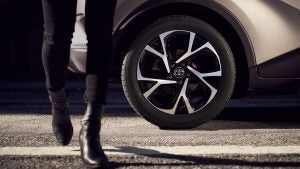
How Often to Rotate Tires The National Highway Traffic Safety Administration recommends rotating your tires every 5,000 miles for safety reasons. For more specific instructions for your specific make and model of car, there is information in your owner’s manual. To make it easy, many experts recommend getting your tires rotated when you have your oil changed. However, if you have an older car that requires more frequent changes or don’t drive more than 10,000 miles a year, you might not need to rotate your tires that much. Typically, both oil changes and tire rotation can happen every six months. However, some car models like BMW only need oil changes every 15,000 miles, which is far too long to wait for a rotation. more Steps for Rotating Tires The easiest way to have your tires rotated is to take your car to a mechanic or dealer. This is because you need a car lift so that you can remove all the tires at once, rather than the tedious method of taking one tire off at a time. The mechanic will usually just switch the tires from front to back to even out the wear and tear. However, if there are signs of irregular wear, they might also cross rotate to help everything stay equal. Signs You Need to Rotate Your Tires You’ll be able to tell from the way your car handles that your tires need a rotation. While cruising down the highway, you might begin to feel a slight vibration at the steering wheel. This happens because of uneven wear on the tires. In fact, if you take a look at your tires, you might actually notice these irregular patterns of wear. One side of your tire might be smoother than the other. Finally, pressure loss is also a frequent symptom of tires that need a rotation. Benefits of Rotating Tires There are myriad benefits to rotating your tires, the main of which is extending the life of the tires. They’ll keep their traction longer and support better overall tread. With more tread, you’ll also have increased traction and handling in adverse conditions, like wet or icy roads. Your car will grip the road better, helping you stay in control of the vehicle. Lastly, having your tires rotated keeps them under warranty should you ever experience a manufacturer’s defect. If you don’t feel comfortable rotating your tires yourself, we can easily do this service for you. Just bring your car to Priority Toyota Chesapeake to have us take a look. While you’re here, you might even want to think about taking a test drive to see what your upgrade options are. Image via www.toyota.com

Safe Driving

5 Tips for New Drivers Taking Their First Solo Drives

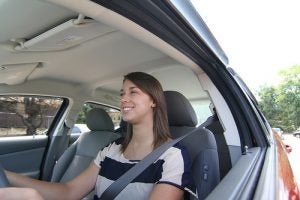
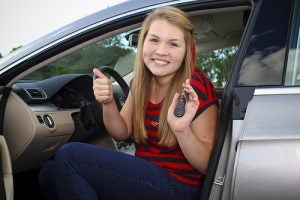
Getting your driver's license for the first time is exciting, whether you're 16 years old or 30. It's also a bit scary. Here are five tips for new drivers about to embark on the road alone for the first time. These tips will keep you safe and less nervous about the new driving adventures that await. Avoid High Risk Situations There are some situations that are more high risk than others. For instance, driving during a thunderstorm or at night is much more dangerous than driving in dry weather in the light. Plan your first solo drives during ideal weather conditions and time of day to improve your sense of confidence before you go out on your own. There's no reason to make it more difficult or daunting than it needs to be. more Practice Driving Before you head out on the road for the first time, practice driving around an empty parking lot, with a driving teacher, or with a friend or family member. If there are certain aspects of driving that you don't completely feel comfortable with, it's okay to spend extra time practicing. For instance, if you don't feel comfortable parallel parking, it's much better to practice parallel parking around your home rather than downtown where you might hit other cars. Avoid Rush Hour Traffic Rush hour traffic can be difficult for even the most experienced of drivers. There are more drivers on the road and more instances of road rage. When you go for your first drive, plan it for a low traffic time where you won't feel pressured or stressed out because of the traffic conditions. During the day when everyone's at work or early on a weekend morning is typically great times for reduced traffic levels. Take it Slow While driving on your own can be exciting, it's a good idea to spread out the fun. Your first drives should be short and to places near you that you're comfortable traveling to. You don't want to worry about how to get to places in a new city, even with a GPS, during your first few drives. After a year of driving or so, you'll feel more than confident traveling to new places. For now, just focus on driving where you'll feel the most relaxed. Learn Cardinal Directions For all new drivers, it's important to learn where North, South, East, and West are relative to where you're driving. Memorize the names of the city or town nearest to you in each of these directions. Also, if you live where there are other landmarks, such as a beach coast, memorize its location, too. That way, whenever you're out, you'll know you've gone too far if you see one of these places on a nearby road sign. Congratulations for taking the first step toward a long and rewarding lifetime of driving. It's a great skill to have. By using these tips, staying safe, and taking your time, you'll be able to travel virtually anywhere in your car. https://www.flickr.com/photos/sundazed/2936063407/sizes/l Image via Flickr by Katy Warner

Highway Safety

5 Essential Safe Highway Driving Tips

Driving on a highway can be intimidating, particularly, if you're only used to driving on city or small neighborhood streets. There are more cars traveling at even higher speeds. This can lead to more serious car accidents. Use these tips to stay safe while driving on the highway. Stay on the Right If you're uncomfortable speeding with other cars on the highway, it's okay to stay in the slow lane on the right. Just make sure that you're driving the speed limit and don't impede traffic by going too slow. If you don't feel comfortable driving the posted speed limits (or speed minimums) on the highway, it might be a good idea to drive an alternative route that skips the highway all together. more Take Turns If you need to merge, let the other car go and then go after them. Take turns with other drivers on the road whenever possible. If there seems to be traffic ahead, avoid honking your horn. Cars usually slow down for a reason, there might be a car accident or a disabled car off to the side of the road. Be patient and eventually the traffic will clear up. There's no reason to frustrate yourself or to develop road rage toward the other drivers. They're in the same situation that you are. Avoid Highway Traffic There are certain times of the day when there's a higher chance of encountering highway traffic. For instance, rush hour getting to and from work can be a predictable source of traffic. If at all possible, try to avoid driving on the highway during this time. Even leaving thirty minutes before or after these times can help you stay safer on the highway just due to the fewer number of cars on the road. Turn Off Distractions Driving with your cell phone is extremely dangerous. Some automotive manufacturers have even toyed with the idea that cell phones would become non-operational when the car is set to drive. Do what you can to not use your cell phone while driving. Even a few seconds to check out a text message or an email is long enough to put you and the other drivers on the highway in danger. If you have to use your cell phone, pull over to a safe place and use it. Use Your Mirrors When driving on the highway, it is especially important to use your rear view and side mirrors before switching into a lane. Because of the higher density of cars on the road, the fast speeds, and the poor driving habits of others, it's critical to make sure that it's safe to merge or switch into a different lane before you do. Using your mirrors is a great way to ensure that it's safe to go. Driving on highways is a great way to save time and to travel anywhere you want to go. Many of the major highways systems in the United States even have rest stops you can use along the way. Use these tips to make your highway travels even safer. https://www.flickr.com/photos/primejunta/83753072/sizes/o/ Image via Flickr by Petteri Sulonen

Adding Bluetooth for Older Toyota

5 Ways to Add Bluetooth to an Older Toyota

Bluetooth is a great connectivity technology that can let you play music or make hands-free phone calls using compatible devices. However, if you have an older Toyota you likely don't have this technology in your car. Luckily, there are several speaker options you can use to get some of these great benefits of Bluetooth connectivity. 1. Anker SoundSync Drive If you have an auxiliary input jack in your vehicle you can use the Anker SoundSync Drive. To install, simply attach the speaker to your dashboard using the adhesive backing, plug it into the auxiliary jack, press the large button in the center to turn it on, and pair it with your device. You can use the Anker SoundSync Drive to play music or make hands-free phone calls. The speaker uses special noise and echo cancellation technology to offer excellent sound quality, even if you have the windows down. more 2. iClever Himbox HB01 When you need to connect multiple devices to the same Bluetooth speaker, such as two different phones, the iClever Himbox HB01 can handle that. This Bluetooth speaker comes with a charger that plugs into a DC outlet, like a cigarette lighter, and connects to your vehicle's speakers using the auxiliary input jack. When a call comes in, simply press the large round button and enjoy clear audio quality. 3. Parrot MINIKIT Neo For a simple Bluetooth device that can help you make hands-free phone calls, the Parrot MINIKIT Neo is for you. This speaker is small enough to clip on your sun visor and stay out of your way. Yet the speaker is powerful enough to offer clear audio and hours of battery life. Additionally, the Parrot MINIKIT Neo responds to voice control commands meaning you can make and receive calls without even touching the speaker. 4. Parrot CK3100 When you need something that's slightly more advanced, the Parrot CK3100 connects right into your vehicle's audio system for superior sound quality. When a call comes in, the name and number of the caller shows up on the LCD screen. You can easily accept or reject the call with a single press of a button, and voice recognition technology lets you control the speaker using simple commands. Plus, the Parrot CK3100 automatically mutes your music when a call comes in and starts it up again when the call is over. 5. GoGroove FlexSmart X2 If your car doesn't have an auxiliary input jack but you still want Bluetooth hands-free calling and audio, consider the GoGroove FlexSmart X2. This device will work in any car that has an FM radio and a DC outlet. Simply plug it in and pair it with your Bluetooth compatible device for wireless calling and music. If music is playing when a call comes in, it will fade out so you can take the call. The LED display is easy to read and lets you take calls and control your music without hassle. Even if you have an older vehicle you can still enjoy Bluetooth technology features with one of these top speaker options. https://www.flickr.com/photos/janitors/14490542230/sizes/l Image via Flickr by Janitors

Driving Posture

5 Ways to Improve Your Driving Posture

Bad posture when you're sitting down can create a lot of pain in your neck, shoulders, and back. Sitting improperly in a car can also make a long commute or road trip unbearable. However, there are simple ways you can adjust the way you sit to improve your driving posture and ease your pain. 1. Adjust Your Seat Properly The first step in improving your driving posture is making sure you have your seat properly adjusted. To start, push your seat as far back as it will go, recline it back 30 to 40 degrees, and place it as low to the floor as possible. From there, raise the seat up so your hips are level with your knees and you can clearly see the road and instrument panel. Next, bring the seat forward enough that you can completely push down on the pedals without having to lean away from the seat back. Finally, bring the seat forward again until you're reclined between 100 and 110 degrees. more 2. Give Your Knees Space When you're sitting in your car, you want to make sure the seat cushion provides support for your entire thigh. Additionally, you want to leave space between your knees and the edge of the seat. If your knees press directly against the seat cushion, it can restrict blood flow and create stiffness or pain in your legs. Finally, make sure you don't have anything in your back pockets when you sit down. This can create uneven pressure points that hurt your back. 3. Hold the Steering Wheel Correctly Along with proper seating adjustments, how you hold on to the steering wheel can also create bad posture. Put both hands on the wheel and try to hold it at the 9 and 3 o'clock position or lower. Make sure you change positions frequently to increase blood circulation. 4. Use Lumbar Support Many vehicles today come with lumbar support built into the seats that adjust to the shape of your back. However, if your vehicle doesn't come with lumbar support, you can still create your own. The easiest way to make your own lumbar support is using a small pillow or rolled up towel. Just place it between the seat and your lower back for extra support. You need to make sure the support doesn't over-pronounce the natural curve in your back, and instead simply helps you maintain it. 5. Stretch While You're Sitting If you're stuck in traffic or simply sitting at a red light, take that opportunity to do a few stretching exercises to release any tension you have. Take a deep breath in and lift your shoulders up to your ears. Hold for a few seconds, and then exhale and drop your shoulders. Repeat this exercise three times. Next, take a deep breath in and as you exhale twist to the right. Slowly come back to center, and then repeat by twisting to the left. With these tips on improving your driving position and posture, you can reduce pain and discomfort you feel when you sit down. https://www.flickr.com/photos/statefarm/7838235550/sizes/l Image via Flickr by State Farm

Toyota 4Runner driving in snowy streets

6 Must-Have Supplies for Your Emergency Car Kit

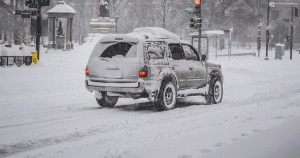
Whether you drive a little or a lot, having an emergency kit on hand is essential, especially during the winter. You never know when you'll encounter situations ranging from bad weather to accidents, so it's in your best interest to prepare for everything. Don't leave home in the winter without these six items in your car's emergency kit. Warm Gear Winter temperatures in Chesapeake can get downright cold, especially overnight. When you're driving in the winter, make sure you have enough gear to keep all of your passengers warm in the event of an emergency. Rather than stashing extra coats or clothing in the trunk, pack blankets instead. If you're short on room, pack emergency blankets, which are compact sheets that don't take up much room but work in a pinch. Add a few hand warmers for an extra boost of heat. more First Aid Supplies Whether you're in a serious accident or you have a minor mishap, first aid supplies can save the day. Rather than keeping just basic supplies on hand, opt for the complete kit and feel confident that you're truly prepared for an emergency. A first aid kit for your car should include antiseptic wipes, gauze bandages, tape, ointment, a splint, pain reliever, scissors, and tweezers. Car Repair Essentials Always keep a set of jumper cables on hand, even if you drive a new car. When your car unexpectedly struggles to turn on, you'll be glad you did. Since flat tires can happen at virtually any time, you should also store a spare tire, a jack, and related tools in the trunk. Have a sturdy pair of work gloves on hand in case you need to change a tire in the cold or snow. Electronics A cell phone can enable you to call for help, and its signal can also help rescuers locate you. Pack a charger or some external batteries to ensure that you always have a connection. Consider packing a hand-crank-powered radio, too, so you can stay updated on weather-related news without draining your car battery. Lights When you're stranded in the middle of nowhere, lights are essential for safety. Pack either a battery-powered flashlight with plenty of extra batteries or a hand-crank-powered flashlight that just keeps going. Add a couple of glow sticks to your emergency kit for long-lasting low light. If you're on the side of the road, you'll want to both warn drivers and attract attention. Have a few road flares and a reflective hazard triangle on hand to use at night. Food and Water In the Chesapeake area, winter storms can escalate quickly. If ice or snow causes you to become stranded, you may need sustenance that lasts for several days. Survival experts recommend keeping on hand one gallon of water per person per day. If your car doesn't have quite that much space, consider packing empty water bottles and water purification tablets instead. To keep your energy levels up, always keep extra food in the car. Pack protein bars for plenty of calories and a long shelf life. This winter, stop worrying and start preparing. Keep these items on hand, and you'll be ready for any wintertime driving situation. Image via Pixabay

tips to road trip with your pets

7 Tips for Roadtripping with Pets

Traveling with your pet can be fun and enjoyable. A little preparation goes a long way, however, toward making the trip easier for both of you, and ensuring that your furry friend is safe and happy. A Healthy Pet Is a Happy Pet Schedule a visit to the vet prior to your road trip to make sure your pet is up to date on his or her shots and is healthy enough for a road trip. You can also get copies of your pet's shot records and medical history at this time. In case your pet needs medical care during the trip, you'll have all your documents on hand. You may also want to download some assistance, such as the Red Cross Pet First Aid app, to help you in case of an emergency. more Take a Test Drive If your pet hasn't been in the car for a road trip before, take a few long drives before the actual trip, to make sure he or she is prepared. You can watch for issues such as agitation or motion sickness. If these are concerns, the vet may be able to provide sedatives or motion sickness medication. Secure Your Pet While your dog may love to explore your vehicle or your cat may not love being inside a carrier, it's important to make sure pets are safe and either in a secured carrier or a pet harness designed for proper fit. Make Your Pet Comfortable Be aware of the temperature and make sure your pet isn't too hot or cold. Bring a pet bed or comfortable blanket or cloth for your pet to lay on. You may want to bring an extra one to cover your pet with if the temperature is chilly, too. Take Frequent Breaks Stopping frequently not only helps break up the monotony of a road trip, but gives your pet a chance to stretch his or her legs, go to the bathroom, and eat and drink. Make sure your pet gets plenty of water so he or she doesn't get dehydrated. Planning and Packing When you make your list of essential items for your trip, make a separate list of items to pack for your pet. In addition to necessities such as food, water, and a leash, don't forget things such as toys to keep your pet busy, waste bags, treats or snacks, grooming items, and any medications. Make sure your pet wears a collar with identification tags at all times during travel. Safety on the Road Don't let your pet hang his or he head out of the window; doing so can result in injury from flying debris. If you must leave your pet alone in your vehicle, do so only for short periods, and make sure that there is plenty of ventilation, that he or she will not be too hot or cold, and that there are no potential hazardous materials to ingest. You can have a blast on a road trip with your four-legged friend. By being prepared, however, your road trip will be fun and easy as well as safe for you and your pet. https://www.flickr.com/photos/drivingthenortheast/7071053033/sizes/l Image via Flickr by DrivingtheNortheast

tops for teen drivers

6 Tips for Teen Drivers

Whether you just got your license or have driven on the road for a few months, we've compiled a short guide to assist you in becoming the best driver possible. As we highlight some smart and simple driving practices below, we'll cover some important tips and tricks that you can incorporate the next time you're behind the wheel. So read on to discover some of our best driving tips. Obey the Speed Limit Speeding is one of the biggest causes of accidents, and that's especially true when it comes to driving in areas with lots of traffic or on unfamiliar roads. When in doubt, prioritize caution and stay on the safe side. Don't feel pressured to keep up with traffic even if everyone is flying by you. Driving the speed limit will not only ensure your safety, but it will also help to keep you away from speeding tickets and potential accidents. more Keep Your Phone Hidden We know that this might be hard to do, but you need to ignore your phone while driving. That phone call, text message, or email can wait. Why? In terms of safety, using a cell phone (even hands-free) while driving is equivalent to driving while intoxicated, which can lead to fatal accidents. Plus, some cities and states now have laws prohibiting the use of cell phones when driving. Getting caught could lead to a hefty fine. Avoid Distractions Cell phones aren't the only distraction. From navigation systems to loud music to other passengers, many things can cause your mind and/or vision to wander away from the road. We recommend that you get driving directions before you leave your house, turn music down or off, and make sure passengers aren't yelling or trying to show you something that would cause a distraction. Turn On Your Headlights Helping to increase visibility for both you and other drivers, turning on your headlights (even when it's light out) will help to increase safety when driving. Turning them on in the early morning and at dusk, in particular, can help prevent a potential accident. Use Your Turn Signals One of the best designs that all vehicles feature are turn signals. They were invented to show to other drivers your intentions by flashing to indicate your decision to either turn or change lanes. While turning on those signals is important, it's also vital that you turn them on early enough that other drivers have sufficient time to respond. Keep Up On Simple Items While this may seem counter-intuitive, more often than not, obvious car maintenance tasks and safety measures can easily be forgotten and lead to impaired driving. Always wearing your seat belt, keeping a clean windshield, properly adjusting headrests and mirrors, and keeping your hands at the 3 and 9 o'clock position on the steering wheel can help to increase your safety when driving. Of course, this list isn't complete, but by following the above tips, you'll become a less distracted and more defensive driver. Image via Flickr by State Farm

what to do if you get in a car accident

What to Do if You Get in a Car Accident

It's never something you really expect to happen, but there are millions of reported car accidents in the United States every year. In almost every case, the driver didn't expect anything to happen then, either. So even if you don't think the following information about how to handle an accident will come in handy, it can pay to remember it anyway. 1. Stay Calm Take a deep breath and don't rush yourself. You may need to act quickly before and during an accident, but once things stop moving, stay calm and think things through. more 2. Get Out of the Road If you're still on the road after the accident, and if your vehicle still works, you should pull over at the next safe location. If your vehicle doesn't work, then you and any passengers should get out and walk to a safe location. You should also switch on your hazard lights if possible, and don't stay inside the vehicle unless the weather makes standing outside a bad idea and you're sure the vehicle is still in a safe condition. 3. Make Sure Everyone Is Okay As a result of the roughly 5.7 million annual accidents, over 2 million individuals suffer from mild to severe injuries and over 30,000 die. Even if the accident happened at low speed, such as someone rear-ending you at a stoplight, you should check yourself and everyone in your car for injuries. Whiplash can be a surprisingly damaging injury that doesn't seem too bad at first, so make sure you keep track of who has a sore neck or a headache. If there were any other cars involved, you should also check to see how those passengers are doing. 4. Call 911 There are a lot of accidents and car crashes in America that people don't report to the police, or for which the police don't bother writing a report. These accidents are the sort of low-speed fender-benders and parking lot collisions that don't result in any injuries and don't even cost the insurance company much money. However, for anything more serious than that, you should call emergency services. 5. Collect Information If there are multiple cars involved, get the insurance information from the other drivers, along with their driver's license numbers for good measure. If you can, you should take pictures of the cars, the people, and anything else that got hit in the accident. When it's time to file an insurance claim, all of this supporting information will come in handy. 6. Don't Admit Fault Unless you hit a stationary object, it's not always clear who's at fault for an accident, and even if you think it was all on you at the time, it may turn out later that you were wrong and someone else caused the accident. However, you'll never know that for certain if you admit fault at the scene because the police and the insurance companies often don't dig any deeper when someone admits to being responsible. https://www.flickr.com/photos/uberculture/2898143292/sizes/m/ Image via Flickr by uberculture

what to do if your car is stolen

How to Keep Your Sanity If Your Car Gets Stolen

According to recent statistics, the FBI estimates that a car gets stolen once every 44 seconds in the United States. Hopefully, this never happens to you, but if it does, try to stay calm. If your car gets stolen, here are some easy-to-follow tips to help you keep your sanity and maybe even get your car back in one piece. Remember Where You Left It One of the worst things you can do is stress out if you can't find your car. For example, parking garages contain several levels, so there's a chance that you just forgot where you parked. After a long night out, it can be difficult to remember just where you parked. Fortunately, several smartphone apps can come to the rescue. Apps such as iFind My Car and Augmented Car Finder locate your vehicle and are available on both iOS and Android operating systems. You might also want to search the area to see if there's a no parking sign. If so, you might have been towed, which, although annoying, is far less stressful than a stolen vehicle. more Call the Police If you still can't locate your vehicle after a thorough search, it's time to call the police. In car theft cases, the sooner you dial authorities, the greater the chance you'll get your car back. You'll need all the information about your vehicle, including the VIN (vehicle identification number). If you don't have this information readily available, most insurance companies provide it on their website. Just log in to your account, and it's typically on the main page. It's also in your best interest to make a copy of the vehicle title to give to authorities. This lowers the likelihood that the thief will be able to sell your car. Use GPS to Aid in the Search Many new cars are now equipped with GPS, which is a valuable tool to help police recover your car. Many Toyotas have Safety Connect, which means you can pinpoint your vehicle's location by contacting the customer service department and, in some cases, even though your phone. Call Your Insurance Company Once you've filed a police report, it's time to call your insurance company. You'll need comprehensive insurance in most cases to get any money in return, but make sure to check with your provider to see what they cover. This is also important if the car is used in a crime. It provides police and your insurance company with a timeline, preventing you from being a suspect. Prevent Theft Before It Happens Perhaps the best way to deal with car theft is to prevent it before it happens. Always keep valuables out of sight, engage your security system, and only park in well-lit places. When in doubt, pay the extra money to park in a secured lot. With any luck, you'll never have to deal with a car theft, but if the worst happens, you'll know how to handle it without a major meltdown. https://www.flickr.com/photos/dumbonyc/2633564127/sizes/l Image via Flickr by dumbonyc

ways to monitor your teen's driving

4 Ways to Monitor Your Teen's Driving

As a parent, there's nothing like getting to see your child grow up before your very eyes. This time comes with its ups and downs and its triumphs and follies, but nothing's as scary as seeing your teen get behind the wheel on his or her own for the first time. Even if you've taught your teen everything you know, there's still no substitute for experience. Use these tips to monitor your teen as he or she enjoys a new-found freedom. 1. Old-School Tips If you're worried that your adventurous teen is driving around more than you'd like, there are old-school ways to prevent any shenanigans. The easiest way is to check the odometer before your teen leaves home and check it again when he or she returns. This gives you a general idea if your teenager is heading out on excursions you don't know about. You should also check the car for any remnants such as food wrappers, as you probably don't want your teen scarfing down fast food while driving 80 mph on the interstate. You shouldn't be overbearing or nosy, but these little steps go a long way to preserving responsibility and trust. more 2. Plug-In Devices Many new cars and insurance companies now offer plug-in technology that hooks up to the vehicle's on-board computer. When enabled, these devices provide GPS location, braking information, and high speeds. When your teen returns home, you can use your smartphone, computer, or the car itself to see the information. Some of these devices also let you put a cap on high speeds. When the car reaches your limit, it will automatically apply the brakes to slow the car. Perhaps it's a bit intrusive on your teen's life, but it's all about his or her well-being. 3. On-Board Cameras In the past year, camera technology has improved immensely. It provides you with a way to record just about anything quickly and easily. Even on-board car cameras have become relatively cheap, providing you with a visual way to check your teen's driving habits. For only a few hundred dollars you'll have peace of mind. Plus, you can see if your teen is engaging in any habits you don't find acceptable. 4. Apps Smartphone apps are perhaps the easiest and cheapest way to monitor your teen's driving habits. TxtShield is one of the newer apps on the market, and it's an effective way to curb distractions. As soon as your teen's car travels above 10 mph, TxtShield disables web browsing, texting, emailing, and calling. It costs only $1.99, and it's available for both iOS and Android. Another beneficial app is Allstate's Drivewise, which tracks your driving. Because it's monitored by Allstate, you'll get cash back on your insurance policy when you meet certain specifications. Not only does it keep your teen safe, but it also puts money in your pocket. In an ideal world, all teens would heed your advice and follow the rules of the road, but that's just not the case. Fortunately, you have a variety of options to keep your teen safe behind the wheel. https://www.flickr.com/photos/statefarm/7979445278/sizes/l Image via Flickr by State Farm

blog 31

The 2016 Toyota RAV4 earns "Top of the Class" in Car Seat Installation from Cars.com

2016 Toyota RAV4 Cars.com Car Seat Installation Honor Roll Child safety is a major concern for parents every time the put their children into their vehicle. One of the most important elements in the protection of of your children in a vehicle in the proper installation of a child protective safety seat. Toyota designers and engineers have been working to make child safety seat mounts easy to access and use. Parents who drive a 2016 Toyota RAV4 can have peace of mind knowing that Cars.com has named the 2016 Toyota RAV4 to their Car Seat Honor Roll. more 2016 Toyota RAV4 and Cars.com Criteria for Car Seat Honor Roll The 2016 Toyota RAV4, compact SUV was one of only six vehicles named to the Cars.com Car Seat Honor Roll, out of 84 model-year 2016 and 2017 vehicles tested. The RAV4 earned a perfect score in each category of the test, which was performed by certified child passenger safety technicians using an infant seat, convertible seat and booster seat. Cars.com says that “when it comes to car seats, the RAV4 is at the top of the class,” praising a large backseat to accommodate rear-facing baby seats. Toyota and being recognized for their efforts in child safety Beyond Car Seat Safety in the 2016 Toyota RAV4“We’ve put a lot of effort into making installation of child safety seats easier, and we’re glad to see that it’s working. I have two young boys myself, and child passenger safety is of the utmost importance to me, both as a mother and an engineering professional that has an active role in LATCH development on Toyota vehicles.” - Jennifer Pelky, senior safety engineer at Toyota’s North American R&D Headquarters. In addition to the safety focused car seat installation in the 2016 Toyota RAV4, the compact SUV offers an array of advanced safety features. The available Toyota Safety Sense P (TSS-P) is an active safety package that combines an in-vehicle camera and front-grille-mounted, millimeter-wave radar for enhanced performance and more functionality. The package includes Pre-Collision System with Pedestrian Detection function, Lane Departure Alert with Steering Assist, Dynamic Radar Cruise Control and Auto High Beams. The 2016 RAV4 also come standard with eight airbags, including driver and front passenger Advanced Airbag System, driver and front passenger seat-mounted side airbags, front- and second-row Roll-sensing Side Curtain Airbags and a driver knee airbag and front passenger seat-cushion airbag. Click to see our current 2016 Toyota RAV4 inventory and make sure you follow the Priority Toyota Chesapeake blog. Image Via Pixabay

Contact Us

Fill out this form below and we'll contact you shortly
*Required Fields