

Priority Toyota Chesapeake

Blog / Auto Repairs

Blog

All Auto Repairs Things to do in Chesapeake Chesapeake Toyota Dealer Activities Near Chesapeake Travel Destinations Car Maintenance Local Area Toyota News Vehicle Safety Tips Priority Toyota Chesapeake Priority Toyota Chesapeake News Toyota Camry Toyota 4Runner Toyota RAV4 Around Town Toyota Highlander Helpful Tips Toyota Corolla Toyota Hybrids Toyota Models Toyota Prius Toyota Tundra Toyota Sequoia Toyota Tacoma Chesapeake Toyota Service Toyota Avalon Toyota Land Cruiser Toyota Sienna Toyota Corolla Cross Hybrid Toyota Crown Toyota GR Supra Toyota Grand Highlander Toyota Grand Highlander Hybrid Toyota Vehicles Customize your RAV 4 Customize Your Vehicle Toyota 86 Toyota GR Corolla Toyota Supra Toyota Venza Auto Financing Brake Service Chesapeake Used Cars First-Time Car Buyers Resale Value Toyota bZ4X Toyota Corolla Cross Toyota Corolla Hatchback Toyota Corolla Hybrid Toyota EV Models Toyota GR86 Toyota Highlander Hybrid Toyota Prius Prime Toyota RAV4 Hybrid Toyota Trucks Toyota Tundra i-FORCE MAX
Spark plugs | Priority Toyota Chesapeake in Chesapeake, VA

Does Your Toyota Need New Spark Plugs? 3 Signs to Look for

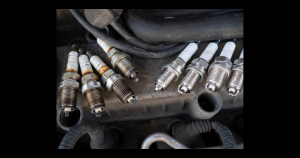
Spark plugs provide the spark that ignites the fuel-air mixture in the cylinders. One of these plugs is screwed into the top of each cylinder. Like all other engine components, they will eventually wear out and need replacement. As your Toyota dealer, we'd like you to know a few signs that you may need to visit us for new plugs. 3 Signs You Need New Spark Plugs from Your Toyota Dealer Decreased Fuel Economy Every driver knows how frequently they usually need to visit the gas station. If you find that you have to head to the pump more frequently than you used to, you could have worn plugs. Let's take a brief look at how combustion works to understand why this happens. more The fuel-air mixture in a cylinder is pushed into the combustion chamber at the top of the cylinder and then ignited by the plug at the high point of compression. A healthy plug ignites the mixture in a carefully timed series of explosions, which consume most of the mixture. A worn plug, in comparison, produces an irregular series of explosions, and most of the fuel won't burn. This fuel is wasted and dumped into the exhaust pipe, increasing fuel consumption. Misfiring Misfiring is a poor ignition of the fuel-air mixture in the combustion chamber. If it happens, you'll usually feel a shudder pass through your Toyota. You may also feel a temporary drop in engine power and a slight decrease in speed. Other potential signs of a misfire are banging or popping sounds from the exhaust. As we saw above, a worn plug causes an irregular series of explosions in its cylinder. These irregular explosions produce poor combustion, and this disrupts your engine performance. If your engine continues to misfire, it can cause damage to the cylinder and the piston. We'll check your plugs and replace any worn or damaged ones. Check Engine Light The check engine light illuminates in response to any issue that affects engine performance. Your engine contains a vast number of sensors, and these sensors are connected to every important component. If a sensor detects a problem, it will inform your computer. The computer logs the problem with an error code and then illuminates the check engine light as a warning that something is wrong. Decreased engine performance and increased fuel usage caused by worn plugs will cause the engine light to switch on. Our technicians will connect your computer to our diagnostic computer to read the error codes to determine the fault. We'll then check each plug and replace them as necessary. Installing new plugs will immediately improve your engine performance and prevent potential engine damage. Contact our service department today at Priority Toyota Chesapeake in Chesapeake, VA.
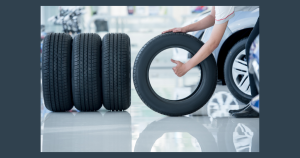
Tires | Priority Toyota Chesapeake in Chesapeake, VA

What to Do If Your Toyota Gets a Flat Tire

A flat tire can happen to anyone, anywhere, and at any time – even when driving a reliable Toyota. While it may disrupt your day, knowing what to do can help you manage the situation with confidence. Here's a helpful guide to handling that flat safely and efficiently, courtesy of Priority Toyota Chesapeake. Stay Calm and Find a Safe Spot The first thing to do when you realize you have a flat is to stay calm. Gently slow down and avoid braking harshly or making any sudden turns. Look for a flat, stable area to pull over, like a parking lot or a roadside shoulder far away from the flow of traffic. more Turn On Your Hazard Lights As soon as you're off the road, turn on your hazard lights. This warns other drivers that you're having car trouble and increases your visibility at night or in bad weather. You should also apply your parking brake. Loosen the Lug Nuts Using the lug wrench, just loosen the lug nuts on the wheel with the flat. You may need to remove the wheel cover or hubcap to do this. Remember: turn the lug nuts counterclockwise to loosen them – lefty loosey, righty tighty! Lift Your Toyota with the Jack Place the jack on stable ground, under the vehicle frame, and near the tire you need to change. Consult your owner's manual for the specific jack points on your vehicle. Start lifting until the tire is about six inches off the ground. Remove the Flat Tires Once the car is lifted, remove the lug nuts completely and keep them in a safe place where they won't roll away. Gently pull the wheel toward you until it comes free from the hub. Set it aside in a safe place. Mount the Spare Tire Lift the spare tire and line up the holes with the lug bolts. Push the spare all the way onto the hub until it cannot go any further. Screw the lug nuts on by hand as tight as you can. Lower Your Toyota and Tighten the Nuts Use the jack to lower your Toyota back to the ground. Once the tire is touching the ground and bearing weight, use the wrench to tighten the lug nuts in a crisscross pattern. This ensures even tightening and that the wheel seats properly. Place the flat tire and all your tools back in their rightful place. Visit Your Toyota Dealer Remember that if your spare is a donut, it's only a temporary solution and typically has a speed limit of 50 miles per hour or less. Your next step should be to visit the dealership, where the experts can determine if your flat can be repaired or if you need a full new tire. Getting a flat can be unnerving, but with these steps, you'll be prepared to tackle the issue head-on! Regular tire inspections can often prevent flats before they happen. Visit Priority Toyota Chesapeake and have your tires checked out today.

Car engine belt | Priority Toyota Chesapeake in Chesapeake, VA

Do You Need to Replace a Car Engine Belt?

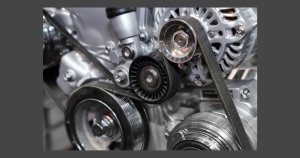
The car engine belt is responsible for powering several components under the hood, including the alternator, power steering pump, and air conditioning. When the belt is worn or breaks, it can severely damage other vehicle components. The following signs from Priority Toyota Chesapeake will warn you when to replace the belt to avoid extensive damage under the hood alongside costly repairs. The Age of the Belt Although belts are made of durable rubber, they are still susceptible to wear caused by extreme heat and exposure to moisture under the hood. A belt can last for thousands of miles, between 60,000 to 100,000 miles, or even longer before it needs to be replaced. more To avoid belt problems, keep track of the mileage and replace the belt according to the manufacturer's instructions. Have your Toyota technician perform regular inspections to prevent potential problems and save yourself from unexpected breakdowns and high repair costs. The Belt Is Worn Examine the belt closely; if it looks shiny and worn, especially if it's more worn on the working edge, it's time to replace it. Excessive wear could indicate alignment problems caused by an issue with the pulley. It's best to ask your Toyota technician to repair the problem and replace the belt as soon as possible to avoid getting stranded on the side of the road. You Hear Flapping or Squealing Sounds If you hear flapping noises from under your car's hood, particularly from the engine, it could be a sign of a frayed or cracked belt hitting and damaging other vehicle components. If oil or moisture is on the belt due to a leak, which could damage the belt, you’ll hear squealing sounds. Take note of these sounds – especially if they come from around the engine – and ask your Toyota technician for an inspection as soon as possible. The Belt Is Frayed and Cracked If the belt is frayed or worn, or you can see cracks halfway through the belt, it could snap at any moment, and components under the hood could suffer significant damage. Once the belt breaks, if you continue to drive your car, it will cause irreversible engine damage. You Notice Missing Chunks of Rubber The belt could still be working fine, but if you notice notches in the ribs and missing chunks of rubber, it's definitely a sign that the belt needs replacing. The belt could snap without prior warning, forcing you to get your car towed. Replacing the belt immediately when you see missing rubber pieces will help you avoid additional expenses. Avoid significant damage to components under the hood, a breakdown, and expensive repairs with regular checkups from your Toyota technician. Contact Priority Toyota Chesapeake today for a service, and our certified Toyota technicians will perform a thorough inspection to ensure your car is in excellent running condition.

Muffler | Priority Toyota Chesapeake in Chesapeake, VA

Does Your Toyota Need a New Car Muffler?

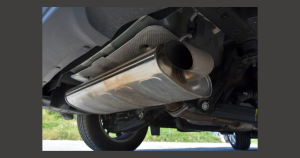
Faulty mufflers can lead to a variety of problems including over-loud engine noises, foul-smelling emissions, overheating, and plummeting engine power. If you think your car muffler is starting to fail, have a technician at Priority Toyota Chesapeake repair or replace it as soon as you can. Let's look in more detail at the most common signs of a faulty muffler. Stronger Emission Smells Most of the engine's worst emissions are cleaned by the catalytic converter, but the muffler also does some work in this regard. So if your muffler stops working for any reason, you may notice more unpleasant odors coming from your exhaust system. more Sudden Engine Roaring As the name implies, the muffler reduces engine noise. Without a muffler, your car would be many decibels louder, which may bring it above the legal noise limits in your state. The noise difference is considerable, so if your muffler stops doing its job, you're likely to immediately notice the jump in volume. Falling Engine Power When a muffler becomes clogged, the outflow of exhaust fumes becomes restricted. This causes a build-up of exhaust back pressure, which can choke the engine, preventing the combustion chambers from drawing in enough fresh oxygen. This interferes with the combustion process and results in misfiring and a loss of engine power. Overheating Engine The build-up of trapped exhaust fumes created by a clogged muffler will cause the exhaust system to heat up. It may also cause the engine to overheat, which can quickly lead to more serious – and expensive – damage. As the engine struggles to draw in fresh oxygen, the resulting misfiring and build-up of unburned fuel can cause a cascading effect, worsening the problem. Dropping Gas Mileage The engine problems that result from a blocked muffler may also cause the vehicle's fuel efficiency to fall. You'll probably notice that you're traveling fewer miles for each full tank of gas, further hurting your wallet. Excessively Rusted Muffler As mufflers age, they almost always collect rust. This is because condensation inside the exhaust system generates a constant trickle of water that runs out through the muffler. If this rust becomes excessive, eating into the muffler's metal frame, you'll eventually need to replace the muffler. Your Toyota Dealer Can Repair or Replace Your Car's Muffler Vehicle mufflers tend to last between five and seven years on average. Minor muffler damage such as cracks, holes, or surface rust, may all be reparable. However, once a muffler reaches a certain age and starts to malfunction, it usually needs to be replaced with a new one.   Have your car's exhaust system inspected and repaired today by experienced technicians at Priority Toyota of Chesapeake. We're a local full-service dealership offering excellent vehicles and customer service.

Toyota emblem | Priority Toyota Chesapeake in Chesapeake, VA

How to Find a Quality Collision Repair for Your Toyota

After an accident, you'll want your Toyota restored to its condition prior to the inflicted damage as quickly as possible, but sometimes it can be challenging to sift through the many repair companies and determine which one has your best interest in mind. Here's how to select a quality collision repair and get back on the road in your newly restored ride. Get Complete Collision Repair Many collision specialists are capable of repairing the damage on the body of your Toyota. They can repair its fenders, trunks, doors, and hood to look like new again. However, a quality repair company does much more than simply address the outside of a damaged vehicle. more The best companies employ skilled repair technicians who make the needed mechanical repairs that lie hidden beyond the cosmetic surface. These experienced technicians know that if your Toyota looks good but doesn't run, you've still got a problem. Select Generic or OEM Parts The accessibility of original equipment manufacturer (OEM) parts is one benefit of selecting a dealer to repair your vehicle. They realize that generic parts could impact the safety, feel, and mobility of your Toyota. Since OEM parts were made specifically for your Toyota model, you can be sure they'll fit and are made to last as long as originally intended. It's true that some repair companies don't use OEM parts, so be sure to ask about it. By contrast, if you're working with a dealer, it is likely they'll only use OEM parts because they'll want to ensure they do a high-standard job. It's a double advantage connecting with skilled technicians using quality parts. Take Note of Satisfied Customers Customer reviews still count and quality shops have customers willing to share their opinions. Therefore, view companies' websites for recent satisfied customer reviews regarding service work because those testimonials are priceless. Customers respect shops that are knowledgeable and communicative. They give accurate estimates and warranties on auto body repairs. In short, quality shops care about their customers' cars lasting for many miles. Pick a Quality Toyota Dealer Toyota repair companies are experienced in restoring Toyotas. In addition, ask if they hold an Automotive Service Certification (ASE) as well as if they've completed formal training in repair and auto body refinishing. Quality shops post this data on their websites and in their shops. Any shop you're considering to repair your Toyota should welcome your questions and be transparent about what they do. It's easier than you think to find the right repair shop for your Toyota. Save time sifting through the list of possible options by contacting Priority Toyota Chesapeake now. Have peace of mind knowing that you've made a well-informed decision on selecting the best company for your car repair. Image via pixabay.com

Contact Us

Fill out this form below and we'll contact you shortly
*Required Fields