

Priority Toyota Chesapeake

Blog / Car Maintenance

Blog

All Car Maintenance Things to do in Chesapeake Chesapeake Toyota Dealer Activities Near Chesapeake Travel Destinations Local Area Toyota News Vehicle Safety Tips Priority Toyota Chesapeake Priority Toyota Chesapeake News Toyota Camry Toyota 4Runner Toyota RAV4 Around Town Toyota Highlander Helpful Tips Toyota Corolla Toyota Hybrids Toyota Models Toyota Prius Toyota Tundra Auto Repairs Toyota Sequoia Toyota Tacoma Chesapeake Toyota Service Toyota Avalon Toyota Land Cruiser Toyota Sienna Toyota Corolla Cross Hybrid Toyota Crown Toyota GR Supra Toyota Grand Highlander Toyota Grand Highlander Hybrid Toyota Vehicles Customize your RAV 4 Customize Your Vehicle Toyota 86 Toyota GR Corolla Toyota Supra Toyota Venza Auto Financing Brake Service Chesapeake Used Cars First-Time Car Buyers Resale Value Toyota bZ4X Toyota Corolla Cross Toyota Corolla Hatchback Toyota Corolla Hybrid Toyota EV Models Toyota GR86 Toyota Highlander Hybrid Toyota Prius Prime Toyota RAV4 Hybrid Toyota Trucks Toyota Tundra i-FORCE MAX
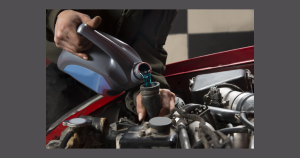
Vehicle fluids | Priority Toyota Chesapeake in Chesapeake, VA

3 Service Tips for Maintaining Your Toyota

Toyota vehicles are renowned for their longevity and reliability. Nonetheless, all cars and trucks need regular maintenance to stay in great condition. To ensure your Toyota runs smoothly for as long as possible, you must take steps to maintain it regularly. Today, we're taking a closer look at several Toyota service tips and when you should visit your local Toyota dealer for maintenance. 1. Check Your Tire Pressure Regularly A simple, effective way of keeping your Toyota in good working order is checking your tire pressure regularly. When all four of your tires are inflated to the proper PSI, it is more likely that your wheels are aligned properly. Other benefits include boosting fuel efficiency and increasing the likelihood of even tire wear. more 2. Check Your Fluid Levels Regularly Another great thing you can do to keep your Toyota in great shape is to check your fluid levels regularly. People often check their motor oil level monthly and keep an eye out for signs of dirty oil. However, there are other fluid levels you should check, like the: Brake fluid Transmission fluid Power steering fluid Air conditioning coolant Radiator coolant Anti-freeze fluid Washer fluid 3. Check Your Battery Regularly ​Check your battery when you check your fluid levels. ​Use a battery cleaning brush to clean off the contacts if they're corroded ​or ​there is any build-up. ​Have your battery replaced if it is leaking fluid or cracked. How Often You Should Visit Your Local Toyota Dealer for a Toyota Service You should ​bring your Toyota to your local dealership for service every three months or 3,000 miles if ​you used conventional oil the last time you got an oil change. ​You should get an oil change every six to 12 months or 5,000 to 10,000 miles if you used synthetic oil during your last oil change. You also need to get your tires rotated regularly. Additionally, you should have a certified Toyota mechanic ensure your tires are balanced several times per year. Like keeping your tires properly inflated, keeping your tires balanced helps to keep your wheels aligned. Regularly check your tire pressure and oil level to help keep your Toyota running reliably for longer. If there's a sign of an air or oil leak, a service appointment may be necessary. Regular oil changes and tire rotations are also crucial. If it's been more than a few months since your Toyota has been serviced, book an appointment at Priority Toyota Chesapeake in Chesapeake, VA today.
Toyota symbol | Priority Toyota Chesapeake in Chesapeake, VA

Getting Seasonal Maintenance for Your Toyota

Seasonal maintenance for your Toyota will help it perform its best, no matter the weather. A quick trip to the Toyota dealer a few times a year can make sure your car is always ready for the road. Spring Maintenance After a harsh winter, you need to wash your Toyota thoroughly, including the underside. Salt build-up can lead to rust and damage to the frame. Clean the interior as well, vacuuming the seats and carpets, washing the windows, and disinfecting surfaces that are touched frequently. more Check the air pressure in your tires and top them up if needed. Then, check under the hood. Inspect your hoses and belts for wear, and check engine oil, coolant, brake fluid, and windshield washer fluid. Spring is also a great time to check and replace the engine air filter and cabin air filter, if necessary. Check the condition of your wiper blades to see if they should be replaced, too. Summer Maintenance If you're planning to travel during the summer, you should change your engine oil and filter to keep your engine lubricated. It's also a good time to head to the dealership to have your tire alignment checked and your brakes inspected. Check your fluids again, including power steering and transmission fluid. As temperatures rise, check your tire pressure more frequently to make sure they are properly inflated. Fall Maintenance Perform a visual check of your battery. Make sure the cable and terminals are clean and free from corrosion. For extra peace of mind, have your battery tested to be sure it still carries a strong charge. Test all of your lights to make sure they work properly and replace any dim or burned-out bulbs. Test the heater and defroster to ensure they will keep you warm in freezing temperatures. Then, have your steering, suspension, and tires inspected at the dealership to be sure they're up for the challenge of winter weather. Take the time to have your tires rotated and balanced. Winter Maintenance As soon as temperatures consistently dip below 45 degrees, it's time to switch to winter tires. These tires provide better traction on snow and ice. Fill up your antifreeze or coolant to avoid engine freezing, and take another look at your wiper blades to see if they are ready for the upcoming weather. Freezing temperatures can also cause low tire pressure, so check them every week to help maintain traction on slippery surfaces. Prepare an emergency kit to keep in your vehicle in case of trouble. Include gloves, an ice scraper, flares, a blanket, a first aid kit, jumper cables, a flashlight with fresh batteries, a cell phone charger, bottled water, and non-perishable snacks. Don't neglect your Toyota's maintenance needs. Visit Priority Toyota of Chesapeake in Chesapeake, VA, and let us help you keep your car running well in every season.

Oil change | Priority Toyota Chesapeake in Chesapeake, VA

How Long Has It Been Since Your Toyota's Last Oil Change?

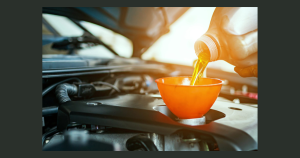
Motor oil is one of the most important parts of your car. Without fresh, fully functioning oil, the moving parts inside your engine will rapidly wear down and generate harmful friction and heat. It's essential to have motor oil refreshed at least twice a year; more frequently if you experience the severe driving conditions outlined below. For the sake of your car's health, it's best to schedule routine oil changes at Priority Toyota Chesapeake and never miss an appointment. How Long Has It Been Since Your Toyota's Last Oil Change? For most drivers, it's unwise to let more than six months pass between changing your oil. These days, modern synthetic motor oil can last in great shape for 7,500 to 10,000 miles. For most car owners, this is usually a little more than six months of driving. more If you rarely use your car, you might be safe having your motor oil refreshed once per year. No matter how infrequently you drive, you still need to have the oil refreshed to keep it fresh. Adhere to the Interval in Your Powertrain Warranty If you have a valid powertrain warranty, there will be a recommended schedule for changing the oil in the warranty's conditions. It's best to stick to this required schedule in order to keep the warranty valid. And if you use your car under more severe driving conditions than most drivers, you may decide to have it changed even more frequently than the warranty stipulates. Severe Conditions Necessitate More Frequent Changes There are various driving conditions and habits that put a car's engine under increased strain, wear, and tear. One such condition is driving along particularly dusty, salty, sandy, or muddy roads. Another is driving long distances while towing a trailer or carrying especially heavy loads. Urban driving habits can also take a toll on a car's engine and motor oil. If you commute regularly in heavy stop-and-go traffic, your engine oil may be wearing down faster. Also, regular short trips of under five miles can be tough on engine oil, as these short journeys don't give the engine and oil enough time to properly warm up. During cold weather, any journey under ten miles might be considered a short trip that's tougher on the engine. Set Up a Routine Schedule at Priority Toyota Chesapeake In the hectic hustle and bustle of modern life, it can be easy to forget when it's time to have your oil refreshed. The surest way to never miss another oil checkup is to set up a regular schedule at your local dealership. Your dealer can then remind you whenever your next scheduled visit is coming up. Have your motor oil refreshed today at Priority Toyota of Chesapeake. We're the region's number-one Toyota dealership, providing an extensive range of excellent vehicles and top-notch maintenance services.

Ignition coil | Priority Toyota Chesapeake in Chesapeake, OH

Recognizing the Signs of a Faulty Ignition Coil

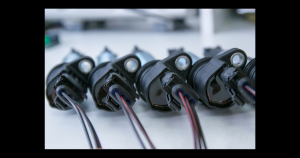
Ignition coils are tough, durable engine components that you may only need to replace once or twice during the life of your car. But when an ignition coil finally begins to malfunction, your engine's performance will suffer, and you'll soon notice the problems laid out below. It's best to replace a faulty ignition coil promptly at Priority Toyota Chesapeake before it leads to more expensive repair jobs in other parts of your car. You Can't Accelerate as Quickly An engine with a failing ignition coil will rapidly lose a portion of its power. This happens because the cylinder with the bad coil won't be able to fire consistently. more You'll find your acceleration becomes sluggish, which can be dangerous when crossing intersections or overtaking. So if you suddenly find it hard to speed up, have your ignition coils checked right away. Your RPMs Are Revving Erratically As well as losing power, the cylinder with the malfunctioning ignition coil will start misfiring. This makes the engine jump and sputter, producing erratic RPMs, especially when driving at lower speeds. If you see the RPM gauge on your instrument cluster suddenly rising and falling unpredictably, you may have a failing coil. Your Exhaust Fumes Are Thickening When a cylinder starts misfiring, the fuel being injected into the combustion chamber isn't being burned away properly. This unburned fuel can start to escape into the exhaust system, where it may partially ignite and turn into black smoke. So if your exhaust fumes are suddenly thickening with smoke, one of your coils may be to blame. You're Struggling to Start Your Car The surge of electrical voltage that a healthy ignition coil provides is most needed when starting your engine. Without a complete set of fully functioning coils, your engine might struggle to start in the morning. If more than one of your ignition coils has a problem, you may not be able to start your car at all. You're Spending More on Gas Each Week When an ignition coil isn't working and a cylinder isn't firing as it should, your car will be traveling far less for each gallon of gas the engine consumes. If you notice an unexpected spike in your weekly gas budget, ask a technician to check your ignition coils, especially if you're also experiencing any of the other problems listed above. Clean Coils Often at Priority Toyota Chesapeake One excellent way to extend how long your ignition coils last is to have them cleaned occasionally. Ignition coils tend to become dirtied by carbon emissions, grease, or dust. It doesn't take long for a technician to clean a dirty coil, and regular cleaning might save a coil from fouling for several years.   Have your ignition coils inspected and repaired or swapped out by experienced technicians today at Priority Toyota of Chesapeake. We have friendly, knowledgeable staff and a commitment to providing exceptional customer service.

Car inspection | Priority Toyota Chesapeake in Chesapeake, OH

Five Car Maintenance Tips to Keep Your Toyota in Great Shape

Keeping up with your car maintenance is the best way to ensure your Toyota lives a long life. The easiest way to maintain your vehicle is to schedule service at Priority Toyota Chesapeake, where trained Toyota mechanics will use genuine Toyota parts to service your vehicle. 1. Oil Changes The oil in your engine is essential for the performance of your vehicle. When your motor oil levels are low or your engine oil is gunked up with dirt, your engine may not perform as well. Without routine oil service, you even run the risk of excessive wear and tear on your engine. During oil service at our dealership, the oil in your engine will be drained and replaced with the best oil for your Toyota model. The oil filter will be replaced, and the maintenance indicator light will be reset as well. more 2. Tire Rotations To ensure the tread on your tires wear out evenly, you should have your tires rotated during routine service. As part of the tire rotation service, the air pressure on your tires will be checked and the Tire Pressure Monitoring System light on your dashboard will be reset. Most of the time, tires should be rotated every 5,000 to 10,000 miles, or at least once a year. 3. Brake Service The brakes on your car are essential for your safety on the road. Brake inspection is common during routine service to ensure your brake pads are adequate. You may need to schedule brake service if you notice a vibrating brake pedal or squealing brakes. 4. Battery Health Check So many elements of your vehicle rely on your battery, which is why a battery health check should be scheduled periodically. The battery in your Toyota should last on average for three to four years, but your driving habits can affect how quickly you will need a replacement. 5. Headlight Replacement Your visibility on the road is also important. The type of headlights you have can determine how often you need to replace them. Some headlights can last for a year, while others can last for several. If you notice any issues with your headlights or your taillights, you should schedule service immediately. Can Your Toyota Dealership Simplify Your Maintenance Needs? To streamline your vehicle maintenance, you can schedule your next factory-recommended service appointment with Toyota Express Maintenance. Toyota Express Maintenance prioritizes your service, so you can quickly get back to your day. Express Maintenance will address the most important aspects of recommended maintenance, such as oil change, brake inspection, tire rotation, and fluid inspection. Toyota mechanics will also perform a multipoint inspection during Express Maintenance. To keep your Toyota in peak condition, you should follow the recommended service schedule in your owner's manual. Maintenance tasks like tire rotations, oil changes, and brake service ensure good performance on the road. Schedule Express Maintenance at Priority Toyota Chesapeake today.

Toyota symbol | Priority Toyota Chesapeake in Chesapeake, VA

What's Covered Under an Extended Warranty from Toyota?

Toyotas are well-known for their durability, reliability, and style. When you buy a new Toyota, you're covered by several warranties, which give you peace of mind and allow you to drive with confidence. Toyota has several plans available to extend this confidence even further into the future of your vehicle. As your reliable Toyota dealer, we want to share with you more about its warranty and the extended warranty options available. Advice From Your Toyota Dealer: What's Covered Under an Extended Warranty? Warranties on a New Car Basic Coverage This covers your Toyota for the first 3 years or 36,000 miles, whichever occurs first. The warranty protects all components against any workmanship or material issue but does not cover accidental damage or regular maintenance. more Powertrain Warranty This warranty covers the FWD system, RWD system, engines, transmission, and seatbelts. It applies for the first 60 months or 60,000 miles, whichever occurs first. Rust-Through Coverage This warranty applies for the first 60 months for unlimited mileage. It protects your panels and sheet metal from rust-through perforation. Emissions Coverage This warranty covers your Toyota against any problem or defect with the catalytic converter or other emissions system components. Its coverage varies depending on the state where the car is purchased. Hybrid Battery Warranty If you have a hybrid Toyota, the battery is covered against defects for the first 10 years or 150,000 miles, whichever occurs first. Extended Warranties Toyota offers three different warranties: the power train warranty, the gold warranty, and the platinum warranty. You pay a monthly subscription and select the term for the warranty. Extended warranties need to be taken out before the basic warranty expires. Let's examine each of these warranties. Powertrain Warranty The powertrain warranty covers the engine, transmission, powertrain, and hybrid or alternative fuel systems for 6 years or 100,000 miles, whichever occurs first. Gold Warranty The gold warranty covers everything in the powertrain warranty. It extends coverage to many components in the suspension, steering, AC system, cooling system, braking system, and electrical systems. You can choose coverage options from 3 years or 50,000 miles to 8 years or 125,000 miles. Platinum Warranty This is the highest level warranty and includes everything in the gold warranty and all other components not covered by the gold warranty. Coverage options range from 3 years or 50,000 miles to 10 years or 125,000 miles. Items Not Covered Certain items aren't covered by the extended warranties. These include carpets, paint, car batteries, tires, and spark plugs. Extending your warranty will save you money, and that makes driving your Toyota even more of a pleasure! Visit us today at Priority Toyota Chesapeake, and our team will be happy to explain and discuss your warranty options with you! Image via pixabay.com

Car inspection | Priority Toyota Chesapeake in Chesapeake, VA

6 Benefits of Getting Preventative Maintenance for Your Toyota

With preventative maintenance, you regularly have your car serviced to reduce the risk of parts failing. Routine tasks like oil changes, tire rotation, brake inspections, and topping up fluids may seem small but are enormously important for the overall health of your vehicle. Let's take a look at six good reasons why it's important to never miss a day of scheduled maintenance at your helpful Toyota dealership. Avoid Costly Repairs If you miss a single oil change, it might cause the engine to overheat, which can potentially cause catastrophic damage. Likewise, failing to rotate your tires can result in harm to the wheel alignment, suspension, wheel bearings, and more. more By having these small but essential maintenance tasks carried out as scheduled, you're saving your car from all kinds of serious repair jobs. Over the years, this can save you a good deal of money on repairs. Nip Problems in the Bud Many common car problems gradually worsen and only become expensive repairs when they've been allowed to progress. With routine maintenance, the technicians find and fix problems while they're still small. This is a key benefit of routine maintenance. Maintain Peak Performance If separate parts of a car are allowed to wear down, the overall performance of the vehicle also diminishes. Regular maintenance keeps your car running smoothly and efficiently for longer. Even your gas mileage is improved by routine servicing. Stay Safer on the Road Mechanical failure is an unfortunately common cause of road accidents. When a car's brakes, headlights, tires, and other parts are allowed to fall into disrepair, you never know when something might fail. As such, routine maintenance is one of the most important things you can do to keep yourself and your passengers safe on the road. Extend Your Car's Lifespan Regular maintenance also extends a vehicle's longevity. If all the various components of a car are kept in optimal condition for as long as possible, the overall lifespan of the car increases. Routine maintenance can easily provide you with several more years of good vehicle performance, saving you the cost of replacing your car. Increase Resale Value Buyers of pre-owned cars are well aware of how important routine maintenance is. This is why it's important to keep the documentation that proves your car has been well-maintained over the years by qualified technicians. If you've missed any routine vehicle maintenance, the resale value of your car may drop. Ask Your Toyota Dealer About Scheduled Maintenance The easiest way to keep your car in tip-top condition is to arrange scheduled maintenance at a trusted dealership with a reliable system of reminders. This way, you have peace of mind knowing you'll never miss an important maintenance task or tune-up. Visit Priority Toyota of Chesapeake today to have your car serviced by experienced technicians. At our full-service dealership, we have an unwavering dedication to providing exceptional service in all that we do.

Brakes and brake pads | Priority Toyota Chesapeake in Chesapeake, VA

How Often Should You Replace Your Toyota's Brake Pads?

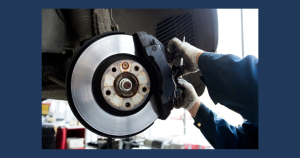
Brake pads are a key component in your braking system as they generate friction that slows and stops your wheels. These pads gradually wear down or become damaged, and they'll need to be replaced – which can be done easily at your trusted Toyota dealer. Here are some tips on when your pads should be replaced to ensure your braking system always works effectively. What Are Pads? The pads fit into the brake calipers, and a caliper is attached above each wheel rotor. When you hit the brakes, brake fluid generates hydraulic pressure that forces the calipers to close on the moving rotors. The pads fit inside the calipers and generate friction against the smooth rotors that bring the wheels to a stop. more New pads have a 1/2" thick material covering, which slowly wears down each time you apply the brakes. When the material covering degrades to 1/4" thick, the pad needs replacement. How Often Do Pads Need Replacement? On average, pads need to be replaced every 40,000 to 70,000 miles. The approximate time for replacement for your Toyota model is listed in your car manual. The replacement time can vary depending on several factors, including driving conditions and your driving style. If you frequently ride your brake, for example, the pads will wear out faster. Signs You Need Replacement Pads You'll always receive warnings that your pads are wearing out – these are a few signs that they need to be changed. Screeching Noises A high-pitched screeching when you hit the brakes is an obvious sign that the pads need replacement. As we've seen, your pads need to be replaced when their material covering is reduced to 1/4" thickness. When this happens, a metal spike inside the pads will become visible. The spike will scratch against the rotors as a warning that the pads need to be changed. Grinding Noises A harsh grinding noise from the brakes can mean that a stone or another object is trapped in the brake caliper. This sound could also mean that your pads have worn down completely. Once the material covering has gone, the metal of the brake calipers will be in direct contact with the wheel rotors when you brake. The calipers will continue to gouge the surface of the rotors until the pads are replaced. Warning Light Illuminates When the pads are wearing down and need replacement, sensors connected to the pads will send a warning to your car's computer. The computer will identify the message, and the pad warning light on the dash will illuminate. The warning light will usually illuminate before you experience any strange sounds from the pads. If your pads have worn down, call the service department right away at Priority Toyota Chesapeake. Our experienced service technicians will replace all necessary parts and get you back on the road, safely and quickly!

Alternator | Priority Toyota Chesapeake in Chesapeake, VA

3 Electrical Problems You Should Always Fix at Your Toyota Dealer

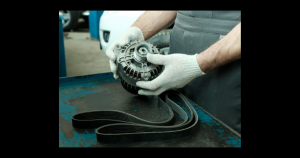
Most of your Toyota's systems depend on electricity to function. As time passes, wires can fray or break, or an electrical component can fail, which results in electrical problems. Fortunately, your reliable Toyota dealer can fix these issues for you! These are a few examples of some possible electrical system problems that we can solve for you. Worn Alternator The alternator generates all of the electrical power for your car. It produces this electricity by converting mechanical energy generated by the turning of the crankshaft into DC for your car's systems. On average, an alternator will work quietly and efficiently for up to eight years. An aging alternator will gradually slow down and this reduces its electricity generation. more When electricity production slows down, your car will start to develop issues like increasingly random electrical failures, dim lights, and even starting problems. These problems may also be accompanied by grinding, whining, or other strange sounds. If you experience any of these problems, our technicians will test your alternator, and we can install a new one if necessary. Damaged Wiring Wiring is essential for transmitting electricity from the alternator to the systems that require it. Unfortunately, wiring is fragile and can become worn or damaged over time. The wiring in your car is protected by plastic insulation, but the wires are still subject to strain due to the heat and constant passage of electricity through them. Older wiring can break due to fatigue, and this will cut off power to one or more systems. Without power, the affected systems will shut down. The check battery light on your dash will illuminate to warn of the problem. Our Toyota-trained technicians can expertly trace the failed wiring and replace it to fix this problem. ECU Problems Your car's computer, also known as the engine control unit (ECU), controls most of your car's functions. It's served by sensors that constantly relay information to it. The information it receives is used to manage your car's essential functions, like the correct fuel-air mix, engine timing, and others. ECUs have been a part of all cars since the 1980s, and your car requires a healthy ECU to work. An ECU problem is usually caused by a fault in the electrical supply, not a failure of the ECU itself. Corroded electrical connections, electrical shorts, and other issues can cause the ECU to fail. Without this vital component, your engine won't start, and none of your car's systems will work. We'll examine the ECU and its connections and either replace it if it's damaged or fix the issue that's caused it to shut down. If you suspect an electrical problem, call us right away at Priority Toyota of Chesapeake. Our expert technicians will diagnose and repair the problem in no time, getting you back on the road and headed towards your next adventure quickly!

Headlights | Priority Toyota Chesapeake in Chesapeake, VA

Does Your Toyota Need New Headlights?

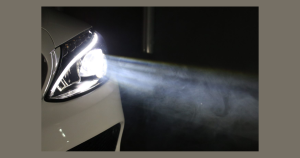
Your Toyota's headlights help to illuminate the roadway to enhance peaceful and safe driving. Failing headlights will impair your vision on the road and put you at risk of accidents, especially during the night and in bad weather conditions. Luckily, there are multiple warning signs that will alert you when your vehicle requires new headlights from a certified Toyota dealer before it's too late. 1. Dim Headlamps It's normal for headlights to lose their luster after a long period of use, so if yours appear dimmer than usual, it's an indication they're reaching the end of their lifespan and will burn out soon. more Also, dim or faded headlights are sometimes caused by dirty headlight covers. Try cleaning off the dirt or dust and check if enough light is shining through. If you don't see any change, it's time to swap out the bulbs. Your technicians know the right kind of bulbs your vehicle needs. 2. Flickering Headlights Several reasons that may cause your headlamps to flicker on and off constantly. You could have a faulty alternator or a blown fuse that needs to be replaced. If the fuse is intact, you might have a broken switch, worn-out bulbs, or a dying battery. Take your vehicle for inspection immediately to avoid more severe damage in the future. 3. Hazy Headlights One of the most obvious indications that you need new headlamps is when they appear yellow or hazy: usually due to dirt, salt, or UV rays breaking up the protective coating on the bulbs. You can remedy the issue by cleaning the headlamp with a special cleaner designed for this purpose. Sometimes the headlights need replacement. Regardless, it would be best to have your car checked by an expert. 4. Low/High Beams Failure Depending on the road situation, you'll want to alternate between high and low beams. Low-beam bulbs burn out quickly because they are used more frequently. It might be an electrical issue, a blown fuse, or a burnt-out bulb. Come to us, and we'll help you replace worn-out bulbs with new OEM headlights. 5. Constantly Blowing Fuses If your vehicle's headlights keep going out because of blown fuses, it may be time to visit your trusted technician for a thorough inspection. Fuses can blow out because of defective headlight bulbs or bulbs that lack the correct wattage. Your mechanic may recommend replacing the entire headlight system to avoid repetitive headlamp failure. Are you looking for a reliable repair shop to help you sort out the frequent headlight problems you've been experiencing with your car? Visit us at Priority Toyota of Chesapeake today. We have an extensive inventory of high-quality Toyota parts and skilled technicians to install them.

Catalytic converter | Priority Toyota Chesapeake in Chesapeake, VA

Does Your Toyota Need a New Catalytic Converter?

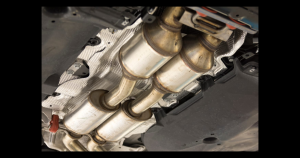
Your catalytic converter turns over 90 percent of the harmful compounds emitted from your engine into harmless gases. On rare occasions, your converter might stop functioning as it should, and will need to be repaired or replaced. Take a look at five clear signs that it's time to visit your local Toyota dealer for a new converter. You Smell Rotten Eggs Hydrogen sulfide has a distinctive and unpleasant smell, similar to that of rotten eggs, and is one of the pollutants emitted by your car's engine. A healthy converter turns this stinky gas into sulfur dioxide, which is completely odorless. more So if you ever catch a whiff of rotten eggs while driving, trust your nose. It's likely that your converter has stopped doing its job and hydrogen sulfide is pouring out of your exhaust, unconverted. You Hear Rattling from Below The converter sits beneath your car between the engine and the exhaust. Bumping over potholes or curbs can sometimes knock it loose or dent it. When this happens, the complex honeycomb mesh of metal inside the converter can break apart and become ineffective. This loosened mesh metal will start to rattle around noisily. If the converter itself is loosened by an impact, it will also create a rattling sound while you're on the road. If you hear rattling, have your converter checked right away. You might need a new one. Your Acceleration Diminishes A car engine needs a constant, steady flow of oxygen. If this airflow becomes hindered, the fuel-air mixture in the engine's combustion chambers becomes unbalanced. This leads to sluggish acceleration, among other problems. A clogged-up converter is one thing that can slow down this airflow as it stops the air from escaping smoothly. So if you're pushing your foot on the pedal but not gaining speed as you should be, your converter might be to blame. Your Gas Mileage Is Falling When engine performance declines because of a clogged converter, your car struggles to compensate by burning more fuel for every mile that you drive. So if you notice you're stopping for gas more often than before, you might need a new converter. Your Check Engine Light Comes On A modern Toyota has myriad computerized sensors throughout the vehicle. These monitors will detect the problems caused by a damaged or failing converter. When the Check Engine light starts blinking on your dashboard, the issue might lie with your converter or something else altogether. But it's unwise to ignore this warning light. Have a technician take a look right away. How a Toyota Dealer Checks Your Converter A technician at your local dealership will first connect to your vehicle's onboard computers to run a diagnostic check. They'll then use specialist tools to examine your converter. At the very start of the process, they're likely to loosen the tailpipe connection or remove the oxygen sensor and run the engine. If the problematic symptom, such as poor acceleration improves, then they've identified the cat as the culprit. To have your converter inspected or replaced today by experienced professionals, visit Priority Toyota of Chesapeake. We're a trusted local dealership committed to providing each and every customer with the region's very best service, whatever your vehicle needs might be.

Car maintenance | Priorty Toyota Chesapeake in Chesapeake, VA

Time for a New Car Air Filter? Visit Your Toyota Dealer

Your car air filter removes dirt and other debris from the air that enters your engine. Combustion requires huge amounts of clean air, and this makes a good air filter very important. The air filter fills up with dirt as it works and will eventually need to be changed. Your friendly Toyota dealer in Chesapeake, VA, can easily fit a replacement for you! These are some of the signs that your filter needs to be changed. Black Exhaust Smoke Your engine requires more air than fuel for combustion, and the perfect ratio is 14:1 air to fuel. The air that enters your engine comes in via the air filter. If the filter is blocked, very little air will be available. When you have more fuel than air, this is known as fuel-rich. It's also a difficult environment for effective combustion. more The lack of air means that much of the fuel in the cylinders won't burn. Hot, unburnt fuel is dumped out of the cylinders into your car's exhaust system. It passes through the catalytic converter. This passage can damage the converter as it isn't designed to deal with hot fuel. The unburnt fuel will exist in your exhaust as a thick cloud of black smoke. Lack of Acceleration When you hit the gas pedal, your Toyota should respond with a burst of speed. If your acceleration is slow, and your engine feels like it's straining to achieve higher speed, your air filter could be the problem. As we saw above, a fuel-rich environment wastes fuel as much of it won't burn. The lack of air also affects compression. Once air and fuel mix in the intake manifold, the mix is injected into the cylinders. This mix is then compressed before it’s ignited. Compression requires air, and the lack of air reduces the power of the compression. If compression is reduced, this means your car's forward thrust is also reduced. The average reduction in acceleration due to a blocked filter is 6% to 11%. Check Engine Light The check engine light is a warning that something is going wrong in your engine, and it needs to be addressed quickly. Numerous sensors are attached throughout your engine. Each sensor is connected to one of your car's components. The sensor's job is to relay infractions on the component back to your car's computer. If a problem is detected with one of these components, its attached sensor will alert your computer. Poor acceleration, a fuel-rich environment, and a lack of oxygen in the exhaust are all problems that will trigger the warning light. Staying on top of routine maintenance will allow you to get the most years possible out of your investment. If you suspect you have a worn air filter, call us right away at Priority Toyota Chesapeake.

Contact Us

Fill out this form below and we'll contact you shortly
*Required Fields