

Priority Toyota Chesapeake

Blog / Car Maintenance

Blog

All Car Maintenance Things to do in Chesapeake Chesapeake Toyota Dealer Activities Near Chesapeake Travel Destinations Local Area Toyota News Vehicle Safety Tips Priority Toyota Chesapeake Priority Toyota Chesapeake News Toyota Camry Toyota 4Runner Toyota RAV4 Around Town Toyota Highlander Helpful Tips Toyota Corolla Toyota Hybrids Toyota Models Toyota Prius Toyota Tundra Auto Repairs Toyota Sequoia Toyota Tacoma Chesapeake Toyota Service Toyota Avalon Toyota Land Cruiser Toyota Sienna Toyota Corolla Cross Hybrid Toyota Crown Toyota GR Supra Toyota Grand Highlander Toyota Grand Highlander Hybrid Toyota Vehicles Customize your RAV 4 Customize Your Vehicle Toyota 86 Toyota GR Corolla Toyota Supra Toyota Venza Auto Financing Brake Service Chesapeake Used Cars First-Time Car Buyers Resale Value Toyota bZ4X Toyota Corolla Cross Toyota Corolla Hatchback Toyota Corolla Hybrid Toyota EV Models Toyota GR86 Toyota Highlander Hybrid Toyota Prius Prime Toyota RAV4 Hybrid Toyota Trucks Toyota Tundra i-FORCE MAX
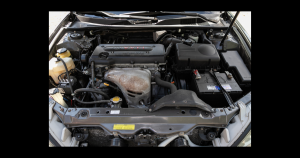
Toyota engine | Priority Toyota Chesapeake in Chesapeake, VA

5 Signs You Need to Make a Toyota Service Appointment

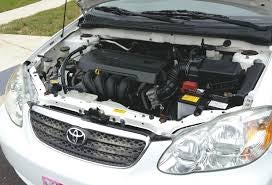
Toyota has a well-deserved reputation for reliability, but a lot is on you - the owner - to maintain your vehicle and keep up with regular services. Heed the signs that warn you your car needs a Toyota service and avoid unforeseen breakdowns and costly repairs. You've Reached 5,000 Miles The Toyota Maintenance Schedule, which is in your Owner's Manual, is calculated on the number of miles accumulated over a period of time. Watch the mileage and you’ll know when it’s time to take your Toyota in for service. more Generally, it's best to book a service every 5,000 miles or six months to prevent breakdowns and expensive repairs. Make an appointment at the recommended intervals to ensure that your Toyota always runs well! Pay Attention to the Warning Lights The warning lights on the dashboard will immediately inform you when there is a problem. When you start your vehicle, the ignition, battery, oil, coolant, engine, and brake lights should flash. When the lights stay on, it’s a warning that something is wrong. The best thing to do is to make an appointment for a service so that a Toyota technician can attend to the problem promptly. The maintenance light will automatically turn on every 5,000 miles to warn you that your vehicle needs an oil change. You Hear Unfamiliar Sounds You know what your Toyota sounds like, and then suddenly, you hear an unfamiliar sound. Strange noises can mean anything, but it’s always better to be safe rather than sorry. Let a technician take a look before a small problem develops into a huge one. There's Smoke from Under the Hood Steam from under the hood is usually caused by overheating. The best thing to do is to pull over and wait for your car to cool down before you take it for a checkup. If you see blue smoke that is caused by burning oil, stop your vehicle, and do not drive it. Get it towed to your nearest Toyota dealership where a technician can take care of the problem. There's Pulling or Vibrating Tire wear, worn brake pads or discs, and steering or suspension problem could be the cause of your vehicle pulling to one side or vibrating when you apply the brakes. It’s not safe to drive when this happens, and we recommend that you attend to the problem as soon as possible. You're Stalling If your vehicle stalls when you accelerate, the cause could be a blocked fuel filter or fouled spark plugs. If your vehicle only starts after a few turns of the key and then won't stay running, it could be a starter problem or a weak battery. You Notice Poor Fuel Consumption If you drive the same distance, but you have to fill up your Toyota more frequently, you need to ask a technician to find out what is causing the increased fuel consumption. Maintain your vehicle to avoid the unforeseen problems that can lead to expensive repairs. Prevention is better than a cure, and almost always cheaper. When it comes to your Toyota, let a trusty Toyota-trained technician attend to problems quickly and efficiently. Contact Priority Toyota Chesapeake today and allow us to prove our commitment to providing our customers with exceptional service!
Car engine | Priority Toyota Chesapeake in Chesapeake, VA

Engine Noises That Can Spell Disaster

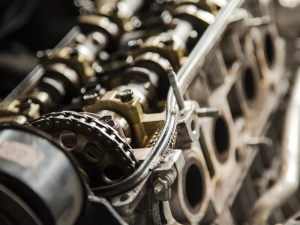
One of the most disheartening things in the world is when you’re driving down the road and begin to hear strange noises coming from your car's engine compartment. This can make your heart drop, especially when this is your only means of transportation. Unless you’re a trained mechanic, you won't necessarily know what the issue is and will need to have your local dealer inspect your vehicle. Here are some common engine noises that can spell disaster. High-Pitched Squealing When you hear a high-pitched squealing sound coming from under your hood, you may need to check your vehicle's serpentine belt for cracks and wear. Many cars have multiple belts, and each one will need to be checked to ensure they are in good working order. If your air conditioning has a separate belt and you only hear the noise while operating the air conditioning, you’ve got a good idea of which belt to replace. more Belts tend to squeal or chirp when starting your car and in colder weather, and they will begin to quiet down as the engine compartment warms up. If your car's belts continue to make noise during normal operation, you should have your car's belts checked and replaced as necessary. Howling, Whining, Roaring, or Singing When you hear a low roaring, howling, singing, or whining sound that only gets louder when you pick up speed, you may be dealing with bad bearings. If it's your front wheel bearings, they will increase or change sounds as you turn right or left. If you hear a growing and steady howling, it's most likely your rear wheel bearings. In cases where you have a rear-wheel-drive vehicle, and you hear the sound when accelerating, it could be your car's differential. If your differential is leaking, it’ll need to be fixed quickly. Tapping, Clunking, or Banging If you hear sounds that seem to be rhythmic in nature and consist of tapping, clunking, and banging, your vehicle has a serious issue that needs to be addressed by a mechanic immediately. These sounds coming from under the hood typically relate to the internal components of your engine. Noises such as these could be problems with connecting rods, valves, and pistons. Any of these conditions are considered severe and will need attention as fast as you can get your car to the mechanic. Brake Sounds When your brakes are grinding, squealing, or growling, you’ll want to have them checked out as soon as possible. If your car's brakes are making unusual sounds, it could be a sign that your brake pads are going bad and in need of being replaced. Your brakes are vital when it comes to the safety of you and your family as they work to stop the car and also help you to avoid collisions. Your check engine light helps you keep potential issues from becoming dire – and inevitably requiring more expensive repairs - but you must listen to what your vehicle is telling you as you drive. The noises you hear can often be clear signs of what is wrong, and an experienced mechanic can usually diagnose vehicle problems by just listening. If you’re hearing sounds from your car that it shouldn't be making, take it and have it thoroughly inspected to ensure your vehicle is in tip-top shape. Schedule an appointment at Priority Toyota Chesapeake and allow one of our certified technicians to investigate the source of any troubling noises. Image via pixabay.com | Licensed under Pixabay License

Silver Toyota sedan | Priority Toyota Chesapeake in Chesapeake, VA

Keep Your Toyota in Tip Top Shape with These Helpful Tips

Maintaining your Toyota over time is important for several reasons. It keeps the vehicle safe, improves its reliability and performance, saves you money on expensive repairs down the line, and increases its resale value! Here are six tips for keeping your Toyota in top shape. Get Regular Oil Changes Maintaining the correct amount of oil in your Toyota's engine helps keep it lubricated and prevents overheating. Whether you do it yourself or take it in to the dealer, change the oil at the recommended interval in your driver's manual. You might need to change your oil more frequently if you drive in heavy traffic, dusty conditions, or for short trips that don't allow the engine to warm up. more Replace the Air Filter An air filter prevents contaminants and debris from getting into your Toyota's engine and must be changed periodically. A dirty filter can lower your Toyota‘s fuel efficiency, reduce engine performance, and lead to higher engine emissions. If you need to replace it with a new one, check your owner's manual or have a vehicle technician show you how to access and inspect it visually. You might need to change it more frequently after long road trips or if you drive in stop-and-go traffic. Stick to the Recommended Fuel When filling up with gas, always choose the fuel type with the recommended octane rating for your Toyota. Again, you can find this in the owner's manual. Using lower-octane fuel can reduce performance and fuel efficiency and cause engine damage. Using higher-octane fuel is likely just a waste of money. Use Car-Friendly Cleaning Products When detailing your Toyota, make sure you're using products that are appropriate for car surfaces. Reach for car wash soaps, waxes, and drying towels that won't harm your Toyota’s paint job. Clean off potentially harmful blemishes such as insect bodies and bird droppings before they have a chance to damage the paint. Proper cleaning supplies will help keep your car looking as shiny as the day you drove it off the lot! Take Care of Your Tires Your tires have more impact on your car's condition than you might think, so you'll want to take steps to keep them in top shape. Check the tire pressure regularly — particularly between changes in season or temperature. Under- or overinflated tires can affect fuel economy, comfort, and handling. You can do this with a simple tire pressure tool or through your Toyota's built-in tire-pressure-monitoring system. Look for the sticker inside the driver's door to find your tires' recommended pressure. Also, have your tires rotated and aligned regularly. This will help them last longer, keep you safe on the road, and contribute to better fuel economy. Clean Your Wheels Any time you notice that grimy-looking brake dust starting to gather on your wheels, use water and a soft sponge to clean it off. Brake dust is comprised of iron, carbon, and dirt than can permanently stain your wheels if left on too long. Keep your Toyota looking and feeling like new with these DIY and regular service tips. Basic maintenance keeps you safe and your car running smoother, and can also improve the vehicle's resale value! Image via crash71100 | Licensed under CC0 1.0

Tires | Priority Toyota Chesapeake

5 Crucial Maintenance Tasks for Your Toyota

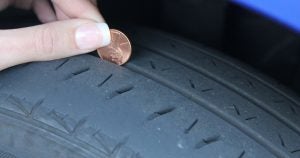
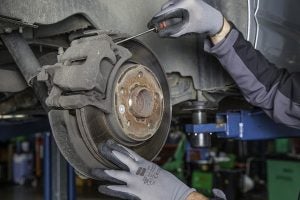
The first rule of owning a vehicle is to keep it maintained with frequent service checks. Like any motorized product, if it isn't taken care of, it will cease to function efficiently, and eventually, it could stop functioning at all. Recalls also play a role in the lifespan of your car - find up-to-date information on them here. Keep the following tips on your checklist for a well-maintained Toyota. Fluids and Air Filters Insufficient fluids lead to a variety of damaging issues. The main fluids to check, replenish, and replace include engine oil, coolant, transmission, and differential oils. An air filter serves as a barrier to keep dust, dirt, and particles out of the engine. Without a filter, all the gunk would go directly into the engine. If the filter isn't changed periodically, it will become clogged because air won't flow smoothly. The issues resulting from a clogged air filter include diminished horsepower and fuel efficiency, a rough running engine, and the potential for the vehicle to stall unexpectedly. more Lubrication As vehicle parts move against each other, their grating motions can cause them to wear down. This can lead to the affected parts not functioning properly, and possibly even seizing up. Keeping parts lubricated extends the life of the parts and keeps your vehicle running seamlessly. Braking Pads Keeping the brake system in tip-top condition means replacing the brake pads when needed. Your driving style, the weight of your vehicle, the integrity of the brake rotors, and the quality of your brake pads will determine how frequently brake pads will need to be changed. Driving in difficult conditions that require frequent, or constant, brake use will also increase the frequency at which your brake pads will wear down. A telltale sign of worn brake pads is a scraping or screeching sound when the brakes are applied. Tires Like a good pair of shoes, tires are the foundation that carry the weight of the vehicle and provide smooth forward, backward, and turning motions. Just as the soles of shoes become worn, tires, too, are susceptible to worn tread. As the ridges on the tread wear down, the tires' ability to "grip" the road is diminished. This can lead to dangerous situations, especially in arduous weather conditions, increasing the chances your car will not perform well when you need it to most. Checking that your tires are at their recommended pressure with an air pressure check; rotating tires frequently, helping to ensure tires wear evenly; and checking your wheel alignment, which balances tires, are all important services that will extend the life of your tires and decrease the chances of a blowout. Battery Your driving habits, as well as the climate of your city, can affect the battery's lifespan. Have the battery checked periodically to ensure it is charging properly. The results will let you know when it's time for a replacement. Toyota also offers Priorities for Life, which can save you money in the long run - find out more about Priorities for Life here. Motorized vehicles employ a wide array of systems, materials, and technologies to run. Sometimes repairs are simple ones you can take care of yourself - our parts department is ready to provide the genuine Toyota parts you trust to keep you safe - check out our savings here! Using these helpful tips for vehicle maintenance will keep your Toyota running at peak performance now, and for the many years and miles to come! Or better yet, make an appointment with our experienced service team at Priority Toyota Chesapeake - we'd be more than happy to give your vehicle a full-body check-up! Image via BoneDaddy P7 | Licensed under CC BY-SA 2.0

Tire Wear Measured With a Penny

Here Are 5 Signs of Tire Wear and What Each One Means

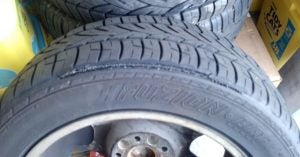
One of the most common reasons people end up stuck on the side of the road waiting for emergency roadside assistance is because something happened to their tires. Whether you had a nail in your tire or have a tire blowout, it can be stressful and sometimes frightening. If you notice where the tire wear is on your tire, you might be able to prevent further damage to your vehicle through proactive maintenance, as tire wear patterns happen for a reason. Here are some signs of tire wear to look for so you can hopefully prevent the need for emergency roadside assistance. Scalloped Tires If you see scalloped dips on the surface of your tire's tread, this is a reason to bring your car to the auto shop for proper inspection. This could be a sign of worn suspension, shock absorbers, or unbalanced tires. If left unfixed, this can permanently damage your tire and cause you to drive without the proper suspension you need. more Inner Edge Tread Wear If your tire is only worn on the inner edges, this can often be an easy fix. This means that the inside of your tires is wearing out faster than the rest of your tires. When you bring your car into the shop, the technician will look for the most common reasons why your tires would wear out this way. This includes negative toe and camber. Worn Outer Edges If your tires are mostly worn on the outer edges, this can be a sign of under inflation. Either you aren't keeping your car's tires to the manufacturer's specifications for your vehicle or you keep re-inflating a tire when your tire pressure light comes on without realizing there's a hole in your tire. Depending on the reason behind why your tire is underinflated, the technician will either need to replace or patch the tire. Worn Out Center If your tire is overinflated, you may wear out the center of your tire more quickly than the rest of your tire. Overinflated and underinflated tires mess with your car's fuel economy and performance, as well as the lifespan of your tires. It is worth the time spent checking your tire pressure, especially before going on a long road trip. Some drivers are more prone to overinflated and underinflated tires when the seasons change, since air expands in the heat and condenses in the cold. Feathered Tires If your tires are feathered, with some tread ribs smoother on one side and sharper on the other, it might be time to get an alignment done. If your alignment is off, your tires will experience uneven wear because of where the pressure is incorrectly sitting. A simple alignment might be enough to correct it. Fortunately, most problems that cause your tires to wear unevenly can be fixed quickly and affordably. It is important to pay attention to your tires to see if you can notice any early signs that something is amiss with your car.   Image via Pixabay

Red 2018 Toyota Camry

Checklist for Keeping Your 2018 Toyota Camry Purring Like a Kitten

Everyone knows that it's important to keep your vehicle in tip-top shape. After all, it's probably one of your largest investments in your entire lifetime. Unfortunately, as we try to juggle work, family, fitness, and friends along with the plethora of other things we should be doing, regular car maintenance often gets forgotten. Taking good care of your car not only helps it run better and last longer, but it could also save you a great deal of money. We at Priority Toyota Chesapeake want your car to stay in the best possible condition. This is a checklist for keeping your 2018 Toyota Camry, or any other car for that matter, purring like a kitten. Always Get Scheduled Service Checkups The most important thing to remember is to always get scheduled service checkups. Ask the dealership where you purchased your Camry when your scheduled car maintenance services should be, or check the owner's manual. Typically, scheduled maintenance involves inspecting all the systems of your car and replacing any needed parts. Scheduling service through your favorite auto dealership ensures that you always get genuine parts, and professional expertise. You'll also get a documented service history that's helpful for you and for anyone who buys your car in the future. more Get Regular Oil Changes This is one of the simplest — yet most often forgotten — part of good car maintenance that will keep your vehicle running at top performance. Also keep in mind that failing to get the oil changed when you're supposed to could void your manufacturer's warranty.  Keeping your cooling system in good condition is also vital, so you might as well get a system flush the same day as the oil change. The technicians will also check your car's pumps, fluids, hoses, and belts. Replace the Air Filter For older vehicles that have the old-style carbureted engines, replacing the clogged air filters on a regular basis will improve fuel economy and help your engine last longer. Replacing clogged air filters on newer models of automobiles can improve acceleration. Next time you have to really punch it to get around that slow moving truck, you'll be happy to have a clean air filter. Inspect Your Tires Whether you invest in a good tire pressure gauge or use the one at a gas station, it's important to check your tire pressure regularly. After all, an ounce of prevention is worth a pound of cure. Most tires have a good manufacturer's warranty, so if they start to wear down too fast or show signs of problems, take them back to the place you purchased them. They might still be covered under the manufacturer's warranty. Sometimes, trying to remember when to schedule maintenance on your automobile seems like a big hassle. Fortunately, if you're a Toyota owner, you can registering for a Toyota Owner's Account. This helps the experienced technicians at Priority Toyota Chesapeake keep accurate track of your service records. We can even call you to remind you that it's time for schedule service.   Image via toyota.com

Priorities for Life Program

4 Benefits of the Priorities for Life Program

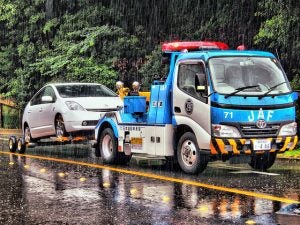
Here at Priority Toyota Chesapeake, we know how stressful and difficult the car buying experience is We’ve done our best to take the struggle out of the process with our Priorities for Life program. This program acts as our lifetime guarantee on any car you buy from us. Intrigued? Read on to learn how this program can benefit you if you choose a car from us. 1. Avoid Paying for an Oil Change Again Oil changes are essential for keeping your car running smooth. Unfortunately, taking your car to a mechanic twice a year is not only cumbersome but expensive. With the national average price of an oil change hovering around $46, that’s nearly $100 a year that you could be putting toward something else. We’d love to help you pocket that cash, which is why we’ll change your oil and filters for as long as you own your vehicle. Schedule an appointment time with our technicians and drop your car off for a quick maintenance session. more 2. Get Free Replacement Parts and Service When something in your car breaks, it’s frustrating – especially if you’ve done nothing wrong. Luckily, we’ll be here to cover you if that happens. The Priority for Life program warrants any original manufacturer parts that fail due to defects in workmanship. This means we’ll replace them for free without sneaky service charges or fees. Even better, this coverage also includes your engine. As an essential part of your car, any problems with the engine can result in catastrophic failure. As long as you follow the manufacturer’s service and maintenance recommendations, you’ll be covered for any engine failures that happen during the life of your vehicle. 3. Forget Paying Big for State Inspections Another yearly fee you have to pay is your state inspection. In Virginia, that cost is $16, not counting any repairs you’ll need to pass inspection. While that doesn’t sound like a lot, consider that the average person owns their car for about six years before upgrading. During that time, you’ll save nearly $100 – free money which you could put toward a nice weekend vacation or a meal at a fancy restaurant. 4. Call on Guaranteed Towing Even with regular maintenance, cars can sometimes break down when you least expect it. Luckily, Priority Toyota Chesapeake has you covered with guaranteed towing for life. All you have to do is give us a call, and we’ll come pick up your vehicle within a 50-mile radius. After collecting your car, we’ll take it directly to our shop so that our technicians can start working on repairs right away. Keep in mind, if your car breaks down because of a defect in a manufacturer’s part, these repairs will be free. Ready to take advantage of the Priorities for Life program? If so, stop by Priority Toyota Chesapeake today to look at our large choice of vehicles. Take a test drive and leave the lot in a vehicle you feel confident and safe in. Image via Flickr by emrank: https://www.flickr.com/photos/emrank/3788038274/sizes/l

Toyota Oil Change

What Happens if You Don't Change Your Oil?

Oil is the lifeblood of your vehicle, constantly circulating through a well-maintained engine to pull away excess heat and provide lubrication for the engine's moving parts. For things to continue in this fashion, it's critical to change the oil on a regular schedule that is appropriate to the type of service the vehicle performs. The harder you work your vehicle, the more often the oil should be changed. Operating in particularly dirty, dusty, or wet conditions; in regular stop and go traffic; or while pulling a trailer is hard work and necessitate more frequent oil changes. Failure to change the oil on schedule will cause the following performance issues. more Deterioration Oil must be in good condition in order to effectively pull excess heat from the engine and lubricate moving parts. Oil contains detergents that cling to and sweep away particulate matter that would otherwise degrade the engine's performance. Over time, temperature shifts inside the engine and absorption of foreign matter causes these additives to break down. This makes the oil less effective and leads to wear and tear on sensitive surfaces, such as rings and pistons. Your vehicle's oil filter will remove these contaminants, but over time, it can become saturated, and thus less effective. If an old filter becomes too clogged to function, unfiltered oil may bypass it via a small valve, sending the dirty oil directly into the engine. Inefficiency One of the most important functions of clean oil in your car's engine is to provide lubrication to moving internal parts, such as the camshaft and pistons. Over time, as oil breaks down and changes chemically, its lubricating capacity is diminished. As your oil circulates, it picks up microscopic debris, such as iron, chromium, and aluminum from the various surfaces of the motor. In fresh oil, these particulates don't exceed a few parts per million. Oil that has been used beyond its recommended life can contain more than 10 times the recommended debris limit. These contaminants act like sandpaper on the microscopic level, denuding the inner surfaces of the engine and diminished performance or permanent damage. Overheating Heat is the enemy of any mechanical system, and the oil in your vehicle is on the front lines of this battle. When it's within its service life, oil circulates through the engine, drawing away damaging heat before making its way through an oil cooler and filter. Over time, debris in dirty oil can affect the efficiency with which the oil can move this heat away from vital components. When the oil becomes less efficient at cooling the engine, the heat has nowhere to go, and the operating temperature of the system increases. This causes thermal expansion inside the engine. Since the components are made of different materials, they don't all expand at the same rate, so there can be an increasingly poor fit between the various moving pieces. This leads to dramatically increased wear when compared to an engine that has had its oil changed regularly. Regularly changing your engine's oil is one of the simplest and least expensive pieces of vehicle maintenance. Avoid this step, or put it off for too long, and your engine's performance will degrade and ultimately fail—an expensive and possibly dangerous scenario. Forget to change your oil, and you will end up looking at an expensive repair bill faster than you may expect. Image via Flickr by Robert Couse-Baker: https://www.flickr.com/photos/29233640@N07/18592103079/sizes/l

Car Wash

How Often Should I Wax My Car?

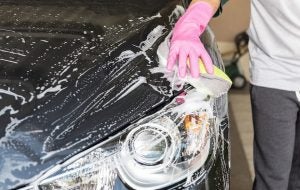
How Often Should You Wax Your Vehicle? It's best to wax your vehicle once a quarter, or once every three months. One way to determine if it's time to wax is to spray it with water. If the water doesn't bead up, then it's time to wax. If it does, then there's no need to just yet. If your car is regularly exposed to harsh conditions, such as rain or dirt, then it is advised that you wax more often. This is especially true for those who live in areas that receive a lot of snow in the winter months—not only is the snow causing wear to your car, but the salt on the roads can cause additional damage. By waxing your car, you are also protecting it from the sun's harmful UV rays as well as the elements. more Before Waxing Your Car Waxing cannot be rushed. First, wash the vehicle thoroughly with car wash soap and water to remove the dirt, bird droppings, and salt. Be sure rinse your washing mitt regularly in clean water to remove debris. If you don't do this, you will end up scratching your vehicle. After washing and rinsing your car, gently dry it with a microfiber towel to prevent water spots. After you think the vehicle is clean, run your hands over it to feel for any rough spots. Your vehicle should feel like glass prior to waxing, so if it doesn't, you need to better clean those areas first. Tips for Waxing Your Vehicle Wax should be applied in a shaded area so that it doesn't dry too quickly and become too difficult to remove. Also, don't apply too much wax; a little goes a long way. Instead, apply a thin layer over your car in vertical or horizontal patterns, which will prevent swirls from appearing on the paint. Don't force wax into crevices, as it will be incredibly difficult to remove. Once the wax is dry, gently buff it off with a microfiber towel. How to Correct Waxing Mistakes If your car has a hazy spots or streaks after waxing, it means the wax dried too quickly or was applied too thick. Luckily, this can be fixed relatively easily. To correct these areas, simply fill a spray bottle with distilled water and isopropyl alcohol and mist the problem spots. Wipe the area clean, then apply a thin layer of wax once again, and buff it clean. You can repeat this process to any trouble areas until you have a beautiful shine. Keeping your car looking great doesn't take much effort. Waxing goes a long way in protecting it and keeping it looking good for years to come. Image via Pixabay

Car Alternator

3 Things to Know About Your Car's Alternator

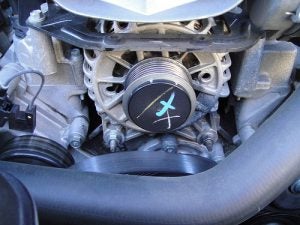
Have you ever been told that an issue with your vehicle's performance is caused by the alternator, but don't even know what an alternator does or what to do? This essential car component is easy to understand, so don't worry. Read on to see the three key points about alternators: what they are, how to protect them, and how to know if there's an issue. What It Is An alternator is your car's electrical generator — a round piece of machinery that spins all the belts around your engine and re-cycles electrical power. They have been the standard for automobile electricity since the 1960s when it replaced dynamos, a similar part that used direct current instead of alternating current. If your alternator isn't working properly, your battery should die very quickly and you would have little or no power provided to the interior lights, headlights, air conditioning, and almost everything else in your car that needs electricity. Your car would most likely not start again after driving it, since a large amount of electricity is needed to turn the ignition over. more How to Protect It If your vehicle uses a splash shield for your engine, make sure that it is properly installed. If the shield is missing, this could lead to engine fluids or contaminants in the air like sand and dirt getting built up inside the alternator. The component has many fast-moving parts, so keeping it protected from any loose substances is crucial. If you wash your engine, never get water or soap in or on the alternator. It's also important to stay on top of your oil and coolant levels. If either of these are too low, the alternator, not to mention many other components, will not be able to work properly and will wear themselves down. Problematic Signs If your battery loses its charge and has to be jump started and re-charged at all, you could have an alternator issue. Batteries in frequently driven automobiles should not lose their charge until they break down and need replacement. There are many spinning parts inside an alternator, so if you hear a grinding or gritty sound while it is running that's also a bad sign. One of the clearest signs of alternator problems is dimmed lights on your dashboard and other electronic accessories. You may also notice that power features like windows or seat adjustment take longer to move. Since the alternator is connected to many belts, you might also smell burning rubber if one of them is not turning fast enough or is out of alignment. This doesn't necessarily mean the alternator has issues, so you might be lucky and only need a new belt. Finally, the most obvious sign of an alternator issue is a warning light that says ALT or GEN, although it may also fall under a battery signal. If you have any of the above warning signs or suspect that your alternator needs repair or replacement, contact us today. You can trust the skilled technicians at our service and parts department to diagnose. https://www.flickr.com/photos/jsnyng/5439576977/sizes/l Image via Flickr by jsnyng

spring cleaning tips for your car

3 Spring Cleaning Tips for Your Toyota

The winter months can really do a number on your car or truck. Slush, rain, road salt and more can damage your vehicle's paint, ruin its tires, and trash the seats and carpet. To maintain your car's value and ensure years of comfort and convenience, a good spring cleaning is critical. Prepare Before You Begin First off, strip your car's interior down to the bone. Remove all items, clean out the glove box, and empty the trunk. Winter-only articles such as scrapers and shovels can be removed and stored away for next year. Remove the floor mats so you can hose them off and hang them to dry. more Detail the Interior Completely and Carefully Vacuum up any dirt from the interior, especially between the seats and cushions. Use a soft brush attachment to suck up dust and grit from the dash buttons, so when you wipe them down later you won't press dirt into the tiny crevices surrounding each button. Wipe down the dash, door panels, center console, and any other non-cloth surfaces with a cleaning protectant such as Armor All. Never spray directly on the area to be cleaned, but on your wiping cloth instead. Clean the seats and carpet using slightly watered-down carpet cleaning solution. For tougher stains, consider picking up a can of foaming carpet cleaner from your local auto parts store. Finish off with some air freshener. Instead of spray bottles full of chemicals, consider a few drops of essential oil. It's natural and lasts longer, too. Be careful about where it's applied, since essential oils can stain or discolor some surfaces. Remember, Your Paint Isn't a Load of Dishes If you've driven in areas with snowfall, chances are you have salt residue underneath your car. This can eat away at metal and other surfaces, so give your car a good spraying underneath. When washing your car's exterior, it's tempting to just squirt some dish soap into a bucket and add water. This is inadvisable because it can cloud or damage your car's paint. Instead, find a good car wash solution. When you're finished, don't let your car air-dry. Hard water deposits are unsightly and bad for your paint. Instead, use a cloth or a chamois to dry. If your paint is contaminated with grit, tree sap, or dead bugs, or it simply doesn't have the deep glow you used to enjoy, consider waxing or using rubbing compound. This is a risky affair since you don't want to strip your paint's clear coat and leave it vulnerable to UV rays. You may want to spring for a professional detailer to buff out the paint for you. Take good care of your wheels and rims. Wheel cleaner does a great job of removing brake dust and grime without endless scrubbing. Be sure to clean the rims before you wash the car, since you don't want these powerful cleaners (or the muck it loosens from your wheels) on your paint job.  Dress your tires with protectant to prevent cracking and extend their lives. Spring cleaning for your car is necessary, so make it fun! Recruit a friend or family member to help, pop open some cold refreshments, crank up some tunes, and give your four-wheeled buddy a well-deserved spa treatment. https://www.flickr.com/photos/colinob/2220337440/sizes/l Image via Flickr by ColoradoColin

blog 26

Reasons to Visit Priority Toyota for Your Fall Car Maintenance

As the leaves change colors and the temperature drops, the signs of autumn approaching are undeniable. Each fall, it's important to stop by Priority Chesapeake for seasonal maintenance to help preserve the life of your Toyota. Here are just six of the reasons that fall car maintenance needs to be a regular part of your routine for your favorite Toyota. Stay Safe With Working Brakes Don't end up driving in snow or ice without working brakes. Not only does this make driving more difficult and unsafe, it makes an automotive accident much more likely, as you'll be unable to stop in time to avoid the car in front of you. Have your brakes tested and replaced, if necessary, so that you'll be able to drive safely in the fall before snow becomes an issue. more Avoid Unexpected Flat Tires You don't want to end up waiting for roadside assistance in the snow. One of the easiest ways to avoid this is to have your tires inspected before the changes in air temperature deflate them. This way you can avoid unexpected car troubles, when possible, stemming from improper tire pressure. If you need new tires, you can have them replaced the same day and leave with confidence that your tires will hold up. Make Sure Your Heater Works The time to check whether or not your Toyota's heater works properly is well before the winter weather. Your service specialist will check all of the different components that make your heater work and fix anything that doesn't look right. When it's time for snow, you'll be able to stay warm when you drive. Keep the Battery Working in Winter Because of the cold weather conditions, old batteries tend to die in the winter. Even if you think your Toyota's battery is relatively new, go ahead and have it checked during routine fall maintenance. You'll avoid discovering later that your battery wasn't able to survive the winter. Replace Wiper Blades, Fluids, and Filters Old wiper blades may not be strong enough to break through ice crystals and snow on your windshield. Not having enough antifreeze makes your car engine vulnerable. Dirty filters put more pressure on your engine to perform. When you bring your Toyota in for fall maintenance, you know your fluids have been topped off, your wiper blades checked, and your filter replaced, according to manufacturer guidelines. Extend the Life of Your Toyota You love your Toyota and want to drive it as long as possible. By scheduling routine maintenance, mechanics notice small issues before they become larger and more costly car problems. Routine maintenance is an important aspect of car ownership that helps you keep driving your car for longer. Make fall car maintenance part of your regular routine to protect your family and your car. By going to the dealership directly, you know that you're getting the expertise and specialized care straight from the manufacturer. You won't have to worry about something being missed or completed incorrectly. Image Via Pixabay

Contact Us

Fill out this form below and we'll contact you shortly
*Required Fields