

Priority Toyota Chesapeake

Blog / Car Maintenance

Blog

All Car Maintenance Things to do in Chesapeake Chesapeake Toyota Dealer Activities Near Chesapeake Travel Destinations Local Area Toyota News Vehicle Safety Tips Priority Toyota Chesapeake Priority Toyota Chesapeake News Toyota Camry Toyota 4Runner Toyota RAV4 Around Town Toyota Highlander Helpful Tips Toyota Corolla Toyota Hybrids Toyota Models Toyota Prius Toyota Tundra Auto Repairs Toyota Sequoia Toyota Tacoma Chesapeake Toyota Service Toyota Avalon Toyota Land Cruiser Toyota Sienna Toyota Corolla Cross Hybrid Toyota Crown Toyota GR Supra Toyota Grand Highlander Toyota Grand Highlander Hybrid Toyota Vehicles Customize your RAV 4 Customize Your Vehicle Toyota 86 Toyota GR Corolla Toyota Supra Toyota Venza Auto Financing Brake Service Chesapeake Used Cars First-Time Car Buyers Resale Value Toyota bZ4X Toyota Corolla Cross Toyota Corolla Hatchback Toyota Corolla Hybrid Toyota EV Models Toyota GR86 Toyota Highlander Hybrid Toyota Prius Prime Toyota RAV4 Hybrid Toyota Trucks Toyota Tundra i-FORCE MAX
Engine | Priority Toyota Chesapeake in Chesapeake, VA

3 Engine Problems You Should Always Have Fixed by Your Toyota Dealer

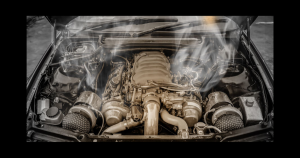
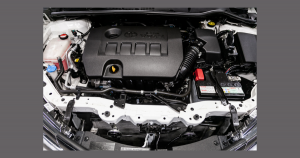
Engine problems don't magically resolve themselves – they will only get worse if they're ignored. If a problem is developing with your engine, it must be fixed as soon as possible. As your Toyota dealer in Chesapeake, VA, we are here to help you with any repairs or routine maintenance. These are some samples of possible engine issues that can occur. Worn Timing Chain The timing chain in your Toyota connects the camshaft at the top of your engine with the crankshaft at the bottom of your engine. It allows the two engine sections to synchronize. This is essential, as the various components in your engine must all work together for it to operate efficiently. A timing chain is strong and designed to last, but it will still take damage over time. more As the timing chain ages, it can stretch slightly. This change will have a major impact on your engine, as many components must work precisely. The valves in the cylinder head, for example, must close at exactly the right moment, and the cylinders must open at the right time. Any failure in timing can lead to major engine damage. Our technicians can examine the chain and replace it once it begins to wear out. Clogged Air Filter The air filter in your Toyota controls the airflow into your engine. An engine requires huge amounts of clean air. The filter removes dirt and other debris that could cause damage to your engine. As the filter collects material, it will slowly clog up. This blocks the flow of air and greatly reduces the amount of air in your engine. Lack of air will lead to combustion problems, as your engine requires more air than fuel. If there's not enough air in your engine, your spark plugs will have difficulty firing correctly. Your engine will also use more fuel due to inefficient combustion. The extra trips to the gas station can quickly add up, and the lack of air will lead to engine damage. Our technicians can easily replace your air filter, and these problems will disappear. Check Engine Light The check engine light connects to numerous sensors deployed in your engine. Each sensor monitors its attached component for signs of trouble. These sensors are sensitive and can detect even tiny problems in a component. If something is going wrong in your engine, it will be noticed by one or more sensors. These sensors will inform your computer, which logs the problem and switches on the check engine light. If this light comes on, it's time to visit our service department. Our experienced Toyota-trained technicians will find the cause of the problem and repair it. If your engine isn't working the way it should, call us immediately at Priority Toyota Chesapeake. We’ll get your vehicle back into peak working condition and get you back on the road as quickly as possible.
Tires | Priority Toyota Chesapeake in Chesapeake, VA

8 Benefits of Getting a Tire Rotation for Your Toyota

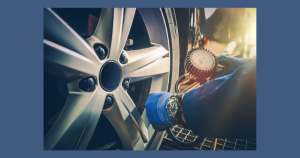
A tire rotation involves switching your Toyota's tires to different positions to promote even wear across all four tires. Having your tires repositioned regularly at Priority Toyota Chesapeake has many benefits, including extending the life of your tires and saving you money. 1. Promotes Even Wear Because of their functions, your car's front and rear tires wear down at different rates. The front tires on a front-wheel-drive vehicle are used for acceleration, braking, and turning and usually wear faster than the rear tires. When the front and rear tires are swapped, each tire is removed and moved to a different position. This reduces the difference in wear, causing all four tires to wear at the same rate. more 2. Extends the Life of Your Tires When your Toyota technician switches your tires every time you take your car for an oil change, your tires will wear evenly and last longer. Without regular rotations, some of your car's tires will wear faster than others, and you’ll have to replace them more often. 3. Reduces Vibrations Uneven tread wear causes vibrations you’ll feel through your car's steering wheel. Over time the vibrations will affect your car's wheel alignment, balancing, and can even damage components. Regular rotations will reduce uneven tire wear and limit vibrations. 4. Improves Your Car's Handling Tires repositioned twice a year will ensure proper handling in all weather conditions. When all the tires on your car have the same tread depth, it will improve handling and give you the necessary traction. 5. Increases Your Safety Tires that wear down evenly have uniform thread depth across all four tires, ensuring that you have traction, especially on gravel, wet, or icy roads. If the tread is even across all four tires, it will improve cornering, braking, and stopping distance, improving your safety on the road. 6. Improves Your Car's Fuel Economy Worn and uneven tires increase rolling resistance, causing your engine to work harder. You'll save money at the gas pump when your tires are in good condition, with even tread wear across all four. 7. Saves You Money on Tires As you know, tires are expensive to replace, and you want them to last as long as possible. Regularly rotating your tires means you don't have to replace them as often, saving you a heap of cash in the long run. 8. Ensures Your Tires Are in Good Condition When you take your car in for a rotation at your trusted dealership, the Toyota technician will perform a thorough tire inspection to ensure your vehicle's tires are in good condition. The technician will check each tire's tread depth and inspect the sidewall for damage, such as cuts, cracks, and bulges, then inflate your tires to the correct pressure levels. To reap the benefits of regular rotations, stop by Priority Toyota Chesapeake today. The experienced technicians will rotate your car's tires to ensure your tires wear evenly and last longer.

Brakes | Priority Toyota Chesapeake in Chesapeake, VA

How Often Should Your Toyota Get Brake Service?

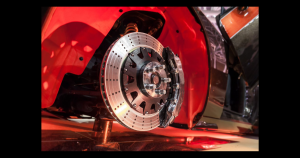
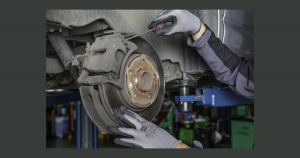
No matter how often you drive your car, you will need to replace brake fluids or change brake pads eventually. Although Toyotas are more low maintenance than many other vehicles, you will still need to schedule brake service at your local Toyota dealer as recommended by your owner's manual. more In general, Toyota encourages drivers to schedule service for brakes every 5,000 to 7,000 miles, which can be as often as every four to six months. The frequency of your brake repair will depend on your driving habits. However, even if you are an infrequent driver, brake fluid can become corrupt when it's unused, so you will still need to schedule routine service at least twice a year. How Long Do Brake Pads Last? The brake pads on your Toyota will usually last for 20,000 to 60,000 miles. This means that replacing brake pads will typically happen only once every two years. The reason you may need to service your brakes more frequently than your brake pads need to be replaced is that routine service will inspect the pads, fluids, and rotators of your brakes to ensure everything is in good condition. How Long Does Brake Fluid Last? The brake fluid in your vehicle usually lasts for about two years or 20,000 miles, whichever comes first. People who drive their car very frequently will need to have the brake fluid changed more often. It's best to schedule service at your local dealership since the dealer will have the correct fluid for your car model, which will enhance the performance of your vehicle. What Are Signs You Need Brake Repair at a Toyota Dealer? Aside from the recommended service schedule for your brakes, you must also know other signs to schedule brake repair. Some of the warning signs that your brakes may be in poor condition include: Brake Warning Light When the brake warning light on your dashboard turns on, it means the sensors in your vehicle have detected problems with your brakes. It's best to schedule service as soon as possible when this warning light goes on so that you can ensure you’re safe on the road. Squealing Brakes Squealing or squeaking brakes are another common sign that something is amiss. Squealing, screeching, or other metallic sounds happen when your brake pads are wearing out. It's more cost-effective to replace brake pads as soon as you hear these noises, rather than replacing a damaged braking system. Burning Brakes Finally, if you smell a burning odor when you engage your brakes, this can be a sign that your braking system is overheating. When this happens, you should allow your car to cool down, discontinue driving your vehicle, and schedule service as soon as you can. Your Toyota owner's manual will outline the recommended frequency for servicing your brakes. In general, you should have your brakes inspected at least twice a year. Get in touch with Priority Toyota of Chesapeake to schedule brake repair today.

Car engine | Priority Toyota Chesapeake in Chesapeake, VA

5 Things You Can Learn from a Car Engine Diagnostic

Keeping your vehicle in good running condition means that every so often, you should be taking it to a professional to have it looked at. One of the tests that should be run at your trusted Toyota dealer is an engine diagnostic, as this can determine if your car is having any problems. There are a lot of benefits to having this test done, and you can learn plenty from the results. 1. How Healthy Your Engine Is More often than not, if your car's engine is having issues, there will be signs. You might notice a strange sound coming from under the hood or your vehicle may not seem to have as much power. However, there may be times when it's not obvious that your engine is having problems. more That's when a diagnostic test is beneficial. It will be able to find any issues, and you'll get peace of mind knowing that your vehicle is going to run smoothly down the road. 2. If There Are Issues with the Electrical System Modern vehicles have a lot of electrical components, and if there are problems with these systems, the components in your car may not function properly. Again, there are times when it's apparent you're experiencing electrical issues, such as dim or flickering interior lights, but you may not always get a sign. Getting a check-up on your car can pinpoint electrical problems before they become major issues with a much larger price tag. 3. If Your Brakes Are Faulty Your brakes are necessary for the safe operation of your vehicle. If you find that it's getting harder and harder to stop, this could lead to a serious accident. Of course, it's important to determine if there's something wrong with your brakes before you get to this point, and a diagnostic test can help find issues before they turn into dangerous situations. 4. Any Issues with Engine Emissions There are strict laws in place when it comes to the emissions your car's engine can discharge. If you don't meet these standards, you can face penalties and fines, as well as not pass your yearly inspection. A diagnostic check-up will ensure your engine is working properly and within the acceptable limits of emissions. 5. The Next Steps You Need to Take Once you've taken your vehicle in for a check-up, if any issues are found, the experienced professional will be able to tell you exactly what needs to be done to get your car back to running optimally. This can help you budget for the repairs and reduce stress knowing that your vehicle will be safe to drive. If your car needs a check-up or you're looking for a new one, visit Priority Toyota of Chesapeake today!

Tires | Priority Toyota Chesapeake in Chesapeake, VA

Need New Tires? Visit Your Toyota Dealer Today!

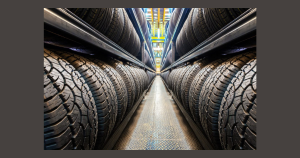
Many drivers rarely think about their tires, yet tires are essential for your vehicle. They ensure your car is balanced, keep you on the road when you turn a corner, and improve your engine's performance. Your tires will eventually wear out, though, and you'll need replacements. Your Toyota dealer can fit new tires for you when that happens. Below are some of the common signs of wear and tear to be on the lookout for as your tires approach the point of needing to be replaced. Your Tires are Bald Bald tires have lost all their tread. The tread is the part of your tires that's in contact with the surface. Different manufacturers have different tread patterns, but all serve the same purpose. The tread allows your tires to grip the surface and keep your car steady while you drive. The tread slowly wears down as you drive, and minute parts of the rubber will flake off. more When your tire tread gets to 1/16" thick, your tires are at the legal minimum limit and would need to be changed. If the tires continue to wear, the tread will disappear. Your tires have no grip on the surface without tread. If you drive on a wet surface, your tires will hydroplane, and you’ll lose control over your car. If your tires are bald, they need to be replaced immediately. Cracked Tires Modern tires are manufactured from the highest quality rubber and are designed to last longer than any previous tires. Rubber, however, is still subject to degradation due to time, water, and environmental factors. Tires also have a slight elasticity due to their natural rubber construction. Heat, both from driving and from the environment, will slowly damage the rubber, and it becomes less elastic. Less elastic tires become prone to cracking. Surface cracks will form and grow larger over time. These cracks are weaknesses in the rubber, and heat and water can cause these cracks to become a hole. Air leaking from your tire will quickly turn a tire into a flat. We recommend replacing cracked tires ASAP to prevent more serious problems. Bubbles in the Tire A bubble in the tire is a small pocket of gas that forms in the sidewall or the tread. Bubbles can be caused by several issues, including a nail, internal separation of the tire layers, or a missing piece of the tread. Bubbles can also vary in size from very small to quite large, depending on their cause. You may be able to drive with a bubble, but it can lead to a flat. Depending on the size and position of the bubble, we may be able to remove it. If you have a large bubble, we recommend replacing your tire for safety. When it's time to replace your tires, call us at Priority Toyota of Chesapeake. Our experienced service technicians will get your beloved investment back onto the road as quickly as possible, after a service well done.

Service technician | Priority Toyota Chesapeake in Chesapeake, VA

Is Your Toyota's Car AC Not Working? Visit Your Dealership

If you find your car AC not working and you can't seem to fix it, it can lead to hours of confusion and frustration. That's why here at Priority Toyota of Chesapeake — your local Toyota dealership — we've put together a list of some of the most common reasons why you're Toyota's air conditioning system may be experiencing problems and what you can do about it. Refrigerant Leaks One of the most common things that cause car AC issues is a refrigerant leak. Refrigerant is what keeps your car's AC running cool. Unfortunately, your car's air conditioning components, such as hoses and connectors, can become damaged or loosened over time, allowing the refrigerant to escape. Without this refrigerant, your car's AC system can't produce cool air. more Additionally, loose AC components can also allow moisture into your car's air conditioning system. This moisture can then mix with the refrigerant to create an acidic combination that causes further damage to your car's AC system. Condenser Problems Another common thing that can cause car AC issues is condenser problems. A car's condenser plays an important role in the car's air conditioning system by taking the humid air in the air compressor and depressurizing, cooling, and liquefying that air. In simpler terms, it helps turn the air cool. For that reason, when your air conditioning isn't cooling as much, it could be a sign of a failing condenser. Electrical Problems One more common thing that can cause car AC issues is electrical problems. There are several things that can cause electrical problems that impact your car's air conditioning. These causes can include failed switches, a blown fuse, a problem with the control module, and more. Fuses can short out, causing the car AC to stop working, or a loose connection can create an electrical short. Electrical issues need to be addressed immediately because, like refrigerant leaks, they can cause acid buildup. Acid buildup can cause serious damage to your vehicle and can even lead to you needing to replace your car's entire air conditioning system. How Your Toyota Dealership Can Help When You Find Your Car AC Not Working Without the right experience, spotting refrigerant leaks, condenser damage, and electrical problems can be quite challenging. That's why it's always best to get in touch with your local Toyota service center to resolve your Toyota's AC problems. These professionals have the skills and experience to isolate these issues and provide prompt repairs and replacements to get you back out on the road. As you can see, the causes of car AC problems are many and varied. Fortunately, Toyota specialists are standing by to help you with your car AC issues. To get your problems fixed quickly by trained professionals, pay us a visit at Priority Toyota of Chesapeake!

Car battery | Priority Toyota Chesapeake in Chesapeake, VA

Does Your Toyota Need a New Car Battery?

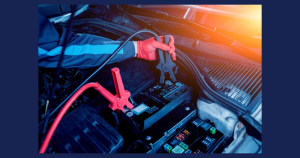
Your car battery provides the charge that starts your engine. When you press the button or turn the key, the battery sends an electrical charge to the starter motor. The starter motor cranks your engine, and you'll be enjoying your Toyota driving experience again in no time! The battery, however, has a limited life and will eventually need to be replaced. When it’s time for a new car battery, Priority Toyota Chesapeake can help you find the perfect one for your model. These are some of the signs to be aware of that your battery is beginning to fail. Difficulty Starting Your engine should start almost immediately after you turn the key or press the starter button. If you hear the sound of a laboring crank, one of the most likely causes could be a failing battery. As your battery gets older, it gets weaker. An older battery loses its ability to fully charge, and its maximum charging capacity also begins to drop. more The labored crank shows that your battery doesn't have enough power to start your engine. It has to build up enough power to provide the necessary charge. In our service department, we will test your battery for signs of wear, and we will also test your alternator. A failing alternator may not be charging the battery sufficiently. We can replace the battery or the alternator depending on the source of the problem. Bad Smells A foul rotten egg smell from under the hood signals a battery failure. Your battery contains several different chemicals that react with the copper plates and other components in your battery to store electricity. One of the main chemicals is sulfuric acid, which gradually breaks down as your battery operates. The sulfuric acid releases hydrogen gas that can escape from your battery. Once the hydrogen escapes, it will mix with sulfur gas in the engine and form hydrogen sulfide. This gas is highly corrosive and has a distinct rotten egg smell. Once hydrogen gas starts escaping from your battery, your battery is already failing and will need to be replaced as soon as possible. The hydrogen sulfide will also begin to corrode the battery terminals, so you can check for this visual clue. Your Battery Is Old As we saw above, a car battery has a limited lifespan. On average, a battery will last for three to five years before it needs replacement, though it may be shorter due to extreme weather conditions. The older the battery, the more likely it is to develop problems. These problems will become evident through signs like dim interior lights, or failing accessories when the engine is off. We recommend that you have a battery test within three years to test the durability and capacity of your battery. Our testing machine will subject the battery to a range of tests, and we can replace it if it's failing. Don't let a dead battery leave you stranded! If you have a battery problem, call us at Priority Toyota Chesapeake. We’ll get your vehicle taken care of in no time!

Alternator | Priority Toyota Chesapeake in Chesapeake, VA

Does Your Toyota Need an Alternator Repair?

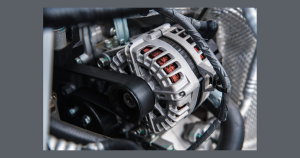
The alternator is a rather clever device that converts the power of your engine into electrical power to charge your battery while you're driving. If your alternator runs into trouble, your battery will no longer charge, and your car will run into all kinds of problems. Let's take a look at six signs that it's time to visit Priority Toyota Chesapeake for an alternator repair or replacement. Your Car Won't Start Alternators usually last a good seven to ten years, but eventually, they begin to break down. The most troublesome result of a failing alternator is when you can't start your car in the morning. If the starter is unable to create the electrical sparks necessary to get the engine going, then your battery is dead. Unless you've accidentally drained it by leaving your headlamps on overnight, either your battery is too old and has given up the ghost, or your alternator is no longer doing its job properly. more Testing the Alternator One quick way to find out if the problem lies with your battery or your alternator is to jumpstart your car. Once the engine is going, if it dies immediately, then your alternator is most likely the culprit. It's no longer using the engine's power to recharge your battery. But if you jumpstart your car and the engine keeps running, then your alternator is probably fine, and your battery ran out of power for some other reason. You're Stalling Often A healthy engine needs a consistent supply of electrical power to continually ignite the fuel-air mixture in the combustion chambers. If the spark plugs can no longer spark as effectively because of a failing alternator, then your engine's performance will falter, and you'll find yourself stalling more often. You're Idling Roughly Another result of struggling spark plugs is rough idling. When your Toyota is idling, the engine should be running quietly and smoothly. But if a failing alternator is causing rough idling, then your engine will begin to sputter and shake oddly. You'll also notice sudden inexplicable rises and dips in RPMs when you rev the engine. Your Headlights Are Dimming While on the road, your battery should be kept at full power by the alternator. This maintains your headlamps at maximum brightness. So if you're driving after dark and the road ahead becomes dimmer and harder to see, then your battery might be failing due to a malfunctioning alternator. If only one of your headlights is dimming, or the light is flickering, then the problem might instead lie with a headlamp bulb, fixture, or wiring. Your Electronics Fail If any of the electronics in your car begin to falter, the problem probably lies with your battery or alternator. These electronic accessories include the dashboard, radio, air conditioning, power windows, sunroof, windshield wiper, and defroster. Your Toyota Dealer Finds a Problem If your car has alternator trouble, you're most likely to uncover it during a routine checkup at your local dealership. Any engine inspection involves a stage of interfacing with your onboard computers and a full test of all your electrical systems. A good technician will notice any abnormalities and quickly identify if the problem lies with an electrical accessory, the battery, the alternator, the serpentine belt that power the alternator, or something else altogether. Have your alternator examined, repaired, or replaced today by experienced technicians at Priority Toyota of Chesapeake. We're a locally trusted dealership that puts customer service and satisfaction first and foremost in all that we do.

Transmission | Priority Toyota Chesapeake in Chesapeake, VA

6 Signs Your Car Needs a Transmission Repair

The transmission is one of the most important parts of any vehicle, responsible for transferring power from the engine to the wheels. It plays a key role in allowing a vehicle to operate as intended, and without it, the wheels simply wouldn't be able to turn. Unfortunately, just like with other car components, issues can arise with the transmission over time. This guide will help you spot the signs if your car needs transmission repair in Chesapeake, VA. 1. Warning Lights Modern vehicles are usually equipped with a range of dashboard warning lights that will automatically illuminate when problems are detected. Some vehicles have a specific light that shows up just for transmission issues. In other cars, the "Check Engine" light might be associated with transmission trouble. Either way, if a light appears, be sure to not ignore it. more 2. Neutral Noises Another good way to spot possible transmission troubles is to see how your car behaves while in neutral. If you hear strange noises or excessive vibrations in neutral, there could be an issue like a lack of transmission fluid, a leak, or a mechanical problem with one of the transmission system's key components. 3. Burning Smells Burning smells are also commonly reported by drivers when transmission issues have occurred with their vehicles. This smell might appear if your transmission fluid is overheating or if there isn't enough fluid, leading to parts in the system getting excessively hot. 4. Gear Trouble In both automatic and manual models, the transmission allows for the shifting of gears. When the system encounters an issue or starts to break down, the gear-shifting process can be impacted. You might notice that your gears start grinding, for example, or it might be difficult to move from one gear to another. You might also notice shakes and shudders when moving between gears, or your car could even slip out of gear randomly, which can be very dangerous. 5. Fluid Leaks Sufficient levels of transmission fluid are required to keep the transmission up and running. This fluid acts as a kind of lubricant, helping the gears and parts move smoothly. However, if the system gets damaged somehow, the fluid might start leaking out. This is an easy problem to spot, as a pool of pink, red, or brown liquid will appear beneath your car. 6. Strange Sounds Cars can make all kinds of strange sounds when different parts and systems begin to fail. If your transmission is breaking down, you might hear squealing or whining sounds when shifting gears. You might also hear grinding or clunking noises too. If you notice any kind of new noise with your vehicle, either in neutral or while changing gears, it's important to get the transmission checked and serviced as soon as possible. If you spot any of these signs, head to the local dealership for the repairs you need right away. Otherwise, the problems with your transmission may get worse and more serious over time, possibly putting you in a dangerous position if the gears start slipping or fluid continues to leak. Contact Priority Toyota of Chesapeake to schedule all the transmission services and checks you need. Image via pixabay.com | Licensed under Pixabay License

OEM parts | Priority Toyota Chesapeake in Chesapeake, VA

6 Reasons to Replace Your Toyota Parts at the Dealership

Toyota has built a reputation for high-quality vehicles which boast outstanding reliability and durability. You can maintain the excellent performance of your Toyota with proper maintenance. When the time comes to replace worn-out parts, you have a choice of aftermarket or OEM Toyota parts from a Toyota dealer. This post looks at the reasons to buy high-quality replacement parts from a local certified dealer. Guaranteed Safety Toyota vehicles consistently earn high safety ratings from independent assessors. The automotive company achieves such ratings by blending advanced safety features with high-quality vehicle parts. Every vehicle component goes through stringent safety standard testing. more For enhanced safety, replace the worn-out parts only with genuine OEM parts. The local dealer has auto parts designed for your model, and you can trust these to perform excellently in your vehicle. Guaranteed Reliability Toyota has over the decades invested heavily in cutting-edge production technology and their vehicle components stand out in the market. The automotive brand designs every part with reliability in mind. If you have to replace any component in your car, choose genuine parts from your dealer. This guarantees continued reliability from your vehicle. Availability of Genuine Parts The most difficult part of automotive maintenance is the search for parts. Searching for auto parts in local stores or online takes a lot of time and effort – your local Toyota auto dealer can save you the trouble. These shops have every part you would like for all vehicle systems. From the braking, suspension, wheels/tires, transmission, to the electrical system – your local Toyota center has every part you may need. Fast and Efficient Toyota Service To maintain the high standards of your Toyota, opt for specialized auto maintenance by a certified mechanic. These are the specialists you find at the local dealership. The factory-trained Toyota technicians understand the unique technology, parts, and design of every Toyota on the market. They'll use computer diagnostics to identify the new car parts required. By leveraging cutting-edge technology and specialist knowledge of your vehicle, Toyota technicians offer fast and efficient services. Warranty on Parts and Services Every auto part from a Toyota service center comes with the manufacturers' warranty. The dealership also offers a guarantee for the maintenance and repair services offered by their technicians. The factory warranty protects you financially in case a replacement part fails. The dealership service guarantee offers you peace of mind when on the road. Convenience If you suspect any problem with your Toyota, the local dealer has an online platform where you can conveniently schedule a vehicle inspection. The dealer's website also offers an extensive inventory of the parts in their shop and other auto services available. You can schedule repairs through live chat, call, or social media platforms. Need a new part for your Toyota? The local dealer has everything you need and you know you can trust the quality. This is the best way to maintain the safety, performance, and reliability of your vehicle. If you need any Toyota services or parts around Chesapeake, VA, visit Priority Toyota Chesapeake and let's get your car back into optimal performance.

Brake repair | Priority Toyota Chesapeake in Chesapeake, VA

5 Reasons to Bring Your Car in for a Brake Repair

In some cases, getting your brakes repaired is a way to prevent a huge financial burden in the future. In other cases, a brake repair can be a matter of life and death - faulty brakes are a huge factor in many road accidents. Thankfully, no matter what the cause, there's a fantastic dealer right here in Chesapeake, VA that's ready to solve all your problems. 1. Priority Toyota Chesapeake Recommends It If your service department thinks your brakes will need a checkup every so often, or they find a brake fault during your regular service, that's a sure reason to get them fixed. Nobody knows more than your dealer, so don't assume everything will be okay as you haven't experienced any obvious issues; the mechanic at the dealership can spot a problem before it becomes obvious to you. Get that repair, ASAP. more 2. Your Light Says You Need It If your brake light comes on, go get your brakes checked. Sometimes it may be tempting to think "well, my car works fine, I don't need my brakes repaired." But you do. In the near future, we can almost guarantee that your car won't be working as smoothly. That's because of the faulty brakes, so get them checked and repaired early. 3. There's a Bad Smell Bad smells are usually from burning tires, or leaking oil and gas, right? Well, a bad smell may also be a sign that your brakes need some work. Take your car in and get it checked out. Regardless of what's causing the smell, the technician will find it and fix it for you. 4. Your Steering Wheel Pulls If you notice your steering wheel pulling off to one side, then it may be a sign that something is wrong with your brakes. The wheel could also vibrate, or your car will just wobble without you knowing why. These, again, are all signs that something is wrong with your brakes. If your brakes are affecting your steering, then you've got a double issue on your hands. You'd better get that checked fast, before your wobbly car causes an accident. 5. The Brakes Feel Springy If you're stepping on the brakes and noticing they feel springy, spongy, or otherwise abnormal, that is also a sign you should get them checked out. Pretty soon you're going to have to apply a ton of force to get your brakes to work properly. That's a serious cause for concern; your brakes should arguably be one of the most responsive parts of your car - if you're a second too late slamming on the brakes, you can easily rear-end someone. If you need someone to repair your brakes, don't hesitate to come and see us at Priority Toyota of Chesapeake. We're ready to repair your brakes, take a look at other parts of your vehicle, and ensure everything is running as it should be. Image via pixabay.com | Licensed under Pixabay License

Car maintenance | Priority Toyota Chesapeake in Chesapeake, VA

Never Ignore Car Maintenance

As the saying goes, "better safe than sorry" - and that pertains just as much to your vehicle. If you hope to get the most out of your investment, prevention is a key factor - staying on top of regular services can extend the lifetime of your vehicle by years. Read on for some of the warning signs that signal you may need to make an appointment with a service center. Smells If you have ever been in your car and smelled something like rotten eggs or gas, your vehicle may need some serious maintenance. Most of the time, if you can smell something coming from under the hood of your car or from the vents, you should get your car checked. If the smell is of gas, you could smell a gas leak coming from underneath your car, which causes a fire hazard. more Burning smells are a sign that your brakes need changing or that you need a new clutch. No matter what the smell is, if it's not something you normally smell - you should have it checked. Warning Lights on Your Dash The lights on your dash are often overlooked. If any of the maintenance lights come on, you could have one of many issues occurring with your car that ought to be looked at right away. Even if the vehicle is operating like normal when the light comes on, that doesn't mean there isn't an issue - there simply may not be measurable effects, yet. The issue just hasn't become bad enough for your car to break down. A battery light could be a problem with the car's alternator or any of the other electrical components. If any of these components give out while you're driving, your car will die and leave you stranded wherever you are at that time. Your best choice is to have it checked out, no matter which light comes on. Preventive Maintenance Preventive maintenance covers everything that you can do before a problem occurs. If you take care of this maintenance on a regular basis, you shouldn't have any issues with your vehicle for a very long time. These consist of oil and oil filters, air filters, brake pads, shock absorbers, and more. Typically, your vehicle's owner's manual will have a schedule for you to follow to keep up with your regular maintenance. Engine Noise You should know what it sounds like when you start your car and what it generally sounds like while you are driving down the road. If the noises start changing and you start hearing a squealing noise, you may have an issue with the alternator or a belt. Noises that sound like a knocking sound might be an issue with the valvetrain. If you hear a strange noise, it would be wise to get it looked at by a mechanic to find out what it might be. If you can smell, hear, see, or if you just feel like something is off, a trip to the mechanic would be your best bet. Making sure that you won't end up stranded is always the best choice, and that means ensuring that your vehicle receives the proper maintenance when it is needed. Image via pixabay.com | Licensed under Pixabay License

Contact Us

Fill out this form below and we'll contact you shortly
*Required Fields