

Priority Toyota Chesapeake

Blog / Car Maintenance

Blog

All Car Maintenance Things to do in Chesapeake Chesapeake Toyota Dealer Activities Near Chesapeake Travel Destinations Local Area Toyota News Vehicle Safety Tips Priority Toyota Chesapeake Priority Toyota Chesapeake News Toyota Camry Toyota 4Runner Toyota RAV4 Around Town Toyota Highlander Helpful Tips Toyota Corolla Toyota Hybrids Toyota Models Toyota Prius Toyota Tundra Auto Repairs Toyota Sequoia Toyota Tacoma Chesapeake Toyota Service Toyota Avalon Toyota Land Cruiser Toyota Sienna Toyota Corolla Cross Hybrid Toyota Crown Toyota GR Supra Toyota Grand Highlander Toyota Grand Highlander Hybrid Toyota Vehicles Customize your RAV 4 Customize Your Vehicle Toyota 86 Toyota GR Corolla Toyota Supra Toyota Venza Auto Financing Brake Service Chesapeake Used Cars First-Time Car Buyers Resale Value Toyota bZ4X Toyota Corolla Cross Toyota Corolla Hatchback Toyota Corolla Hybrid Toyota EV Models Toyota GR86 Toyota Highlander Hybrid Toyota Prius Prime Toyota RAV4 Hybrid Toyota Trucks Toyota Tundra i-FORCE MAX
prepare your toyota for cold weather

Prepare Your Vehicle's Heater for Cold Weather

With the cooler weather approaching, you know you'll rely on your car's heater to stay comfortable driving throughout the cold months. Schedule a service appointment to prepare your vehicle's heater for the winter to adequately protect your car before the first frost. Here are five reasons you should get your vehicle's heating system serviced as part of your late fall routine. Ensure Your System Works Efficiently Cooling and heating systems work together to manage the temperature in your car. When your cooling system fails to work, you may experience failure in your heating system. If you already know that your vehicle's HVAC system needs repair, make it a priority to get it fixed. However, it can be difficult to know if there's a leak or some other clog within the system. Service professionals can identify any inefficiencies that may impact performance. more Preserve the Life of Your Car Well-maintained cars last longer and perform better than poorly maintained ones. Preparing your vehicle's heating system for winter should be a part of your yearly maintenance routine. After all, snow and ice can easily damage engine components and exterior paint. Without proper maintenance, your vehicle won't last as long as it should. Prevent Small Issues From Becoming Large Ones Typically, you won't know if there's a small, easily correctable issue with your heating system. As long as your car heater works, there isn't a reason to suspect that something's wrong. When you regularly prepare your vehicle's heating system for the winter, the service professional will inspect the system to make sure everything's working properly. They may be able to prevent a large issue from arising, such as the heating system breaking, simply by catching it early. Replenish Antifreeze In the winter, you need antifreeze to keep your car running, especially with harsh winter conditions such as snow. If you leave your car outside overnight during a snowstorm, like most car owners do, your car relies on the antifreeze more than usual. During your service appointment, the service professional will check your antifreeze level and replenish it to manufacturer standards. This way you will not be left without antifreeze when you need it most. Save Money Over the Long Term When you take care of your vehicle, it lasts longer. Regular maintenance is more cost-effective than replacing a transmission or other large repair. This is why it makes sense to invest money in preventive maintenance over costly and unexpected repairs. Protecting your car with regular maintenance is well worth the consideration. Schedule oil change appointments periodically and replace your air filters. Have your vehicle inspected by an automotive professional before and after the winter just to be sure. If you live in a state that experiences snowfall, make sure to schedule a service appointment at your automotive dealership to prepare your vehicle's heater for the cold weather. You'll save money and extend the life of your car. You don't want to be left driving your car this winter without heat. Image via Flickr by Janitors

blog 18

How Cruise Control Works

When you're on a long road trip, cruise control can quickly become one of your favorite features of your car. Instead of having to keep your foot on the gas pedal for lengthy stretches of time, you can simply set a speed, and your system will maintain that speed until you tell it to do otherwise. Benefits of Cruise Control Not only does the cruise control system help you keep from getting a sore and tired foot and ankle, but also it can help you avoid getting speeding tickets. When you're out on the open road, it's easy to have a lead foot if there aren't a lot of other cars around. But cruise past a highway patrol officer and you may find yourself getting written up for speeding. When you lock in your speed with cruise control, you won't be as tempted to keep accelerating. more How It Works The actual buttons or knobs used to engage and use cruise control might look different between various vehicles, but the way the system functions is generally the same for all cars and trucks. After you turn on cruise control, you must then press the acceleration or set button to set your current speed as the speed at which you want to keep driving. Most systems also have two separate buttons for increasing and decreasing the speed so that you can go faster or slower without applying the brakes or pressing the gas. You can turn the system off completely to disengage cruise control, or you can tap the brake to start over. How Cruise Control Is Improving Cruise control has been a feature on cars for many years, but in the recent past, automobile manufacturers have been modifying the system to make it safer and more functional. Adaptive cruise control, one of the newest safety features on cars, also adds convenience. These cars include sensing technologies that monitor what is ahead of and around the vehicle on the road. When you engage the adaptive cruise control feature, the system uses the sensing technology to determine how close a car is to your front bumper. Before you can get too close, it automatically slows you down to help you stay a safe distance behind the car ahead. Some systems also have settings for short, medium, or long, allowing you to determine just how close you can get before it engages. Benefits of Adaptive Cruise Control Unlike regular cruise control, which requires you to constantly adjust your speed based on other drivers, adaptive cruise control does a lot of the monitoring for you. When it senses that you are coming up on a car in front of yours too quickly, it slowly applies the brakes to help slow your speed and keep you from getting too close. Give your legs a break, and use cruise control the next time you have a long drive. Image Via Pixabay

blog 19

Gas Grades Explained

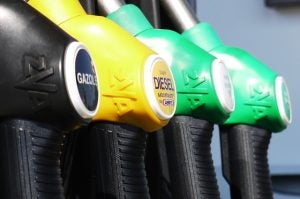
Every time you roll up to the gas station, you probably notice there are several gasoline choices for your car. Most often, you'll see regular, mid-grade, and premium, although several other ethanol/gasoline mixes are becoming more popular. The problem with these options is that few people know the difference between the grades of gas and aren't aware of which is right for their car. To make matters easier, here's a guide that will teach you everything you need to know about gas grades and which one is right for you. Regular Regular fuel, also known as 87 octane, is by far the most consumed gasoline grade in the United States. Before diving into this type of gas, you should know what the octane rating means. Very simply, this numerical rating measures a fuel's ability to resist engine knock, which is the product of improper combustion within the engine. The higher the number, the more impervious the engine is to misfiring. Because most cars newer cars don't have a problem with engine knock, regular gasoline is the cheapest way to fuel your car. In fact, most owner's manuals suggest regular as the preferred gasoline, as any higher octane levels don't truly make a difference to your vehicle's performance. more Mid-Grade Drivers used more than 12 billion gallons of gas in 2005, yet only 7 percent of this fuel was mid-grade, or 88, 89, or 90 octane. With that said, it's hard to find an exact reason to use this fuel. Only a handful of cars need mid-grade fuel, and most of these vehicles had a high-displacement eight-cylinder engine. Most users of mid-grade fuel are making a trade-off. If your owner's manual suggests premium gas, you can probably get away with using mid-grade. While you may lose a bit of power or performance when driving, you also stand to save hundreds of dollars at the pump each year. Unless you're a gearhead or a hardcore performance enthusiast, you probably won't even notice the difference. Premium One of the most common misconceptions about premium gasoline, or 91 and 92 octane, is that it provides a boost to performance or cleans your engine. Both of these aspects are erroneous. If you have a car that requires mid-grade or regular fuel, putting premium in the tank doesn't do anything more than waste money at the pump. However, cars that require premium fuel demand it for a reason, and putting in anything but premium can have catastrophic consequences. When you put nonpremium gasoline into a vehicle that requires premium-grade fuel, you'll experience a significant loss in performance. The most obvious sign will be that your car won't accelerate as quickly as it normally does. You may also notice the car shaking or vibrating when idling, as well as hesitating when switching gears. You'll also lose fuel efficiency, which negates the purchase of a cheaper grade of gasoline. When required, don't fill your car with anything less than premium. The next time you're at the pump, use this guide as a valuable resource to help you adopt better gas-buying habits. Your bank account and your car will both thank you. Image Via Pixabay

5 essential summer road trip car care tips

5 Essential Summer Road Trip Car Care Tips

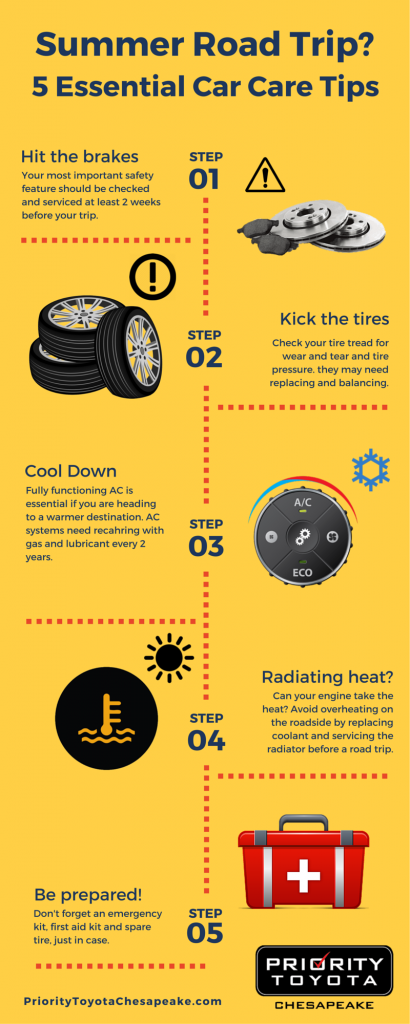
Now that summer is officially underway many people will hit the highway for a family road trip. We don't want you to find yourself stranded on the side of the road, when you should be enjoying quality time with family, so follow these 5 essential summer road trip car care tips and it'll be smooth sailing to your summer destination! Squealing or vibrating brakes can not only be an annoyance, but that can also mean your braking capabilities are not optimal. Low tread on your tires can be dangerous in wet weather conditions, and no one wants to sit through a road trip without AC! And just like you, your engine needs to stay cool during the hot summer months and long hours on the road. You also want to be prepared in the event of an emergency, having an emergency kit, first aid kit and spare tire in your trunk is essential. Remember that at Priority Toyota Chesapeake, we are here for all of your vehicle service needs. Brakes, tires, AC system checks, engine coolant and much more. Give us a call today at 757-366-5000 and schedule an appointment today. You can also schedule your vehicle maintenance on our website by clicking here. As an added bonus we have a tire special going on right now - buy 3 tires and get the 4th tire for $1. Plus, eligible tires purchased at your Toyota dealership come with 24-month tire road hazard coverage. You just can't beat that. Check out all of our current service and parts specials today! *tire offer: Toyota and Scion vehicles only. Run flat tires excluded. Must present coupon when order is written. Plus tax & shop supplies. Not valid with any other offer Must be installed at time of purchase. Valid only at participating Toyota Tire Center dealers. Buy three tires at the Toyota suggested retail price. Get the fourth for $1.00. Fourth tire must be of equal or lesser value. Prior sales excluded.

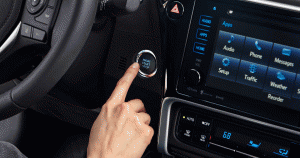
Driver's finger ready to press the key-less ignition button

5 Things To Do Before Turning On Your Car Engine

You've probably done it a countless amount of times. You hop into the driver's seat, turn the car on, and away you go without a second thought. If this describes you, you're definitely not alone. However, double checking some aspects of your car is a great way to ensure your safety and the integrity of your vehicle. The next time you're going on a drive, take these steps before you put the key in the ignition. Check Your Mirrors Before you turn the car on, make sure to check all of your mirrors. The last time you exited the vehicle, you may have inadvertently bumped either the side mirror or rear view mirror out of place. If you don't know how to position your side mirrors, use this handy guide. Once you've learned the basics of mirror positioning, you no longer have to worry about that pesky blind spot. Instead, you'll see the road with clarity, which makes the drive that much easier. more Adjust the Seat Adjusting the seat is a must, especially if you aren't the sole driver of a vehicle. To put the seat at the proper height and distance from the steering wheel, make sure you're no closer than 10 inches from the wheel. This helps prevent an injury if the airbag activates. From there, just make sure you're comfortable and your arms are slightly bent when driving. As far as seat height, have the steering wheel at about the level of your chest. Not only does this make visibility better, but it's another precautionary measure so you aren't injured by the airbag. Do a Walk-Around Walking around your car is always a great idea, not only to inspect things such as tires, mirrors, and the body, but also to see if there are any obstacles. You've probably heard of people backing over a child with their car. It's possible that this could've been avoided had the driver done just this one thing. Plus, you can see if you have a flat or low tire, as well as checking for damage, which is important if you're in a crowded parking lot. Have the Proper Documents Leaving the house without all of your pertinent information leads to problems, especially if you get pulled over on the way to your destination. Not having your license, registration, or insurance information causes not only a delay, but in some states, you may receive a fine and have to come up with proof of these documents. It's just a nuisance that doesn't need to happen, and if you're diligent about it beforehand, you'll never have to worry about it. Put on Your Seat Belt Putting on your seat belt is a no-brainer, yet it's surprising how many people fail to do so when getting into the car. Always wear your safety belt, not only for your safety, but also because you can avoid a fine. Insist that all others in the car do so, as well, and don't move an inch until everyone's latched. This seems like a lot to do before going on a drive, but once you get into the habit, you'll realize that it takes no more than five minutes. That time is definitely worth the hassle. Image via Toyota.com

Toyota Maintenance Checklist for Spring

You made it through the winter, so now it's smooth-sailing for you and your car through spring and summer, right? Before you head out on the road, however, make sure your car is ready, too. Taking the time to do spring maintenance on your Toyota will help make sure you get to your vacation destinations without any problems. Here's a list of maintenance items for your Toyota once spring hits. more Wash the Outside The sand and salt used on winter roads take a toll on your vehicle's exterior. Once all the snow and ice is gone, take the time to thoroughly clean the entire car from top to bottom. This is also a great time to add coat of wax to help protect the paint. Inspect the Tires If you live in an area where you don't need winter tires, have them inspected for wear and tear. Check the depth of the tread and for any uneven wear. Also check the tire pressure to make sure it is correct. If you live up north and use snow tires, spring is the time to change back to your all-weather tires. Check the Brakes Unless you know your way around the brake system, the best way to have them checked is by a Toyota professional. They will evaluate the wear on the pads and the discs for rough spots. If the pads are too thin or the discs are showing too much wear, have them change the brakes right away. Flush and Top Off the Fluids Spring is a great time to check and flush the fluids in your vehicle. The owner's manual provides you with a recommended service schedule so you can plan ahead. Have your mechanic check the oil, the transmission fluid, and the brake fluid and top off or change what is needed. Check the Air Conditioning Once spring hits, that means summer is right around the corner, so make sure your car is ready to keep you cool. Make sure the air conditioning coolant is full, and have a mechanic check the system for any possible leaks. Then when that first blistering hot day hits, you know your car will be able to cool things down. Inspect the Windshield Wipers The winter weather can take a toll on your windshield wipers, too. To make sure you have good visibility when the first spring rainstorm rolls in, check the wipers for cracks and decay. If needed, replace the wipers with a new set, and top off the washer fluid to replace what you used during the winter. Check the Battery Salt can also increase the risk of corrosion on the connections leading to and from the car battery. Check all the posts to make sure they are clean. If needed, disconnect the battery and use a solution to clean the battery posts before reconnecting the cables. Now that you have thoroughly completed a springtime inspection of your Toyota, you and your vehicle are ready for your warm weather adventures. Image provided by Shutterstock

The eye of a hurricane

4 Ways to Keep Your Toyota Hurricane-Proof

Hurricane season is a stressful time for everyone because of all the preparation involved, from getting your house ready to create an emergency plan. Your Toyota should be a part of your planning, but it doesn't have to be an added stress. We've come up with four tips for making sure your car is ready for the season — all of which can be done ahead of time so you won't have to scramble at the last minute. Read on to discover our top tips and how they can help you stay sane. more Keep Your Toyota Maintained One of the most important tips is to keep your car in tip-top shape. Before the season begins, bring in your car regularly to have the oil and tires checked for any issues, and make sure you get both your oil changed and tires rotated as needed. As the season begins, bring it in for a more thorough inspection. Have your mechanic look at the AC, test the spare tires and belt, and check your fluid levels. That way, if you have to head out on an evacuation route, you're less likely to run into any issues that could put you and your family in danger. Stock Up on Emergency Gear When hurricane season begins, start assembling an emergency bag in case you get stuck in inclement weather or have to evacuate. Some staples for vehicle purposes should include a few cans of Fix-A-Flat, antifreeze, road flares, jumper cables, and a gas canister. These should help you out of the most common roadside issues. In addition to repair items, make sure you have at least one gallon of water per person, as well as a three-day supply of food like protein bars or granola. First aid supplies are also vital, as are extra clothing and some bedding — in case you're on the road for a few days at a time. If at all possible, purchase an external phone charger or portable power bank to ensure you will have a means of communication. Keep a Full Tank of Gas As a storm approaches, you'll often find long lines at gas stations and raised prices, which can be frustrating and take up valuable time. Make sure you keep a full tank of gas throughout the season so you're ready to go at a moment's notice and won't get stuck waiting in long lines for expensive fuel. Keep Your Toyota Safe Don't need to evacuate? It's a good idea to park your Toyota somewhere safe, away from falling branches and other debris. Parking your car in a garage is ideal.  Don't park under a tree or power lines, both of which can cause serious issues. If all you have is a carport, make sure it's sturdy; rusty or weak carports can collapse during storms and cause more damage. If you can't park in a garage, try to park near a building that can help block some of the storms. If you have to park it outside, make sure you take before and after pictures for insurance purposes, in case something does happen. Hurricanes can be scary, but following these tips can help get you and your car prepared. Image via Pixabay

How to Make Your Car Smell Good in Chesapeake, VA

How to Eliminate Smoke Odor from Your Vehicle

If you buy a used car that smells like smoke, or you let someone borrow your vehicle and they smoked in it – you may be wondering how to get the smoke odor out of your car. The most common method for trying to remove the smell of second-hand smoke involves air fresheners, but they usually only temporarily mask the odor and don’t eliminate it. Here are some tips for eliminating the smell of smoke from a vehicle: Vinegar and water – spray the fabric lightly with a mixture of vinegar and water. At first, you will smell the vinegar, but it will not last very long. Vinegar is known for neutralizing odors. Baking soda – cover your seats and carpets with a thick coat of baking soda. If the vehicle has a trunk, cover that as well and let it sit on the fabric for at least 24 hours. Vacuum the vehicle the next day and most, if not all of the smoke odor will be eliminated. Charcoal – use a hammer to create a powder from regular charcoal (not self-starting charcoal). Put it in a coffee filter, and put it on the floor of your vehicle for at least a week. It will absorb the smell of smoke, and then you can remove the coffee filter with the charcoal for a cleaner-smelling vehicle. Air purifier – invest in an air purifier for cars. It will neutralize the smell while eliminating any other harmful bacteria found in the air.   Image via Pixabay

Contact Us

Fill out this form below and we'll contact you shortly
*Required Fields